Featured

Two Awesome Marketing Tools

              There are a variety of tools that can help marketers define their target market. Two tools that I like are Hootsuite Analytics and using a test market scenario. These marketing tools can be adjusted to fit the needs of different products/ services and can help a marketer define or refine their target segment. 

           Hootsuite is an online marketing company that offers multiple tools to make the lives of digital marketers easier. Hootsuite (2021) allows a user to look at their analytics across multiple platforms simultaneously, giving the marketer a larger view of the overall picture. With this tool, a marketer can view and print reports or check the performance of posts (Hootsuite, 2021). Here are some of the pros and cons:
  • Posts can be organized by date and set to be most relevant first 
  • View individual platform reports or aggregate reports 
  • Limited free account option, full access requires a paid subscription plan 

For the subscription fee, there are many benefits to Hootsuite (2021). A user can:

  • Set posts to publish automatically
  • Crosspost on multiple platforms
  • Answer communications from consumers in one location
  • Design advertising campaigns

Hootsuite is highly customizable, user-friendly, and has tons of great blogs on marketing tips and free e-learning courses too!

           Test Markets are a great tool to help marketers define or refine their target segment. This research entails finding a target market similar to the intended segment and testing the product with those consumers. Similarities in the consumers should include the geographic location, psychographics, and demographics of the target group (Babin, 2019). 

           Test Markets can be accomplished through many different research-specific companies or done by the company themselves. A test market provides a sort of trial run for the product or service. Sometimes the product or service is free or lower cost as an incentive to the consumers. Test markets can serve as a trial for different versions of a product or service. It can also help determine the affinity for a product a segment may have. 

            Other techniques may involve offering the product free with the intent of having the consumer fill out surveys about the product and their experience, or holding panels (Babin, 2019). This tool can be a more costly venture depending on how the firm wishes to run the test, but it can also produce compelling results. A firm may find out that their product has a fatal flaw, or that consumers prefer one color over another. This preemptive research can save money in the long-term production of a product by helping to work out the kinks before its full launch. 

           There are SO many wonderful tools to help marketers. It doesn’t matter which ones you choose as long as they work for you! Happy marketing! 

References

Babin, B.J. (2019). Essentials of marketing research. Boston, MA. Cengage

Hootsuite Inc. (2021). Hootsuite. Hootsuite. Retrieved September 18, 2021, from https://www.hootsuite.com/platform/monitor.
Featured

Tales of a YouTube Addict

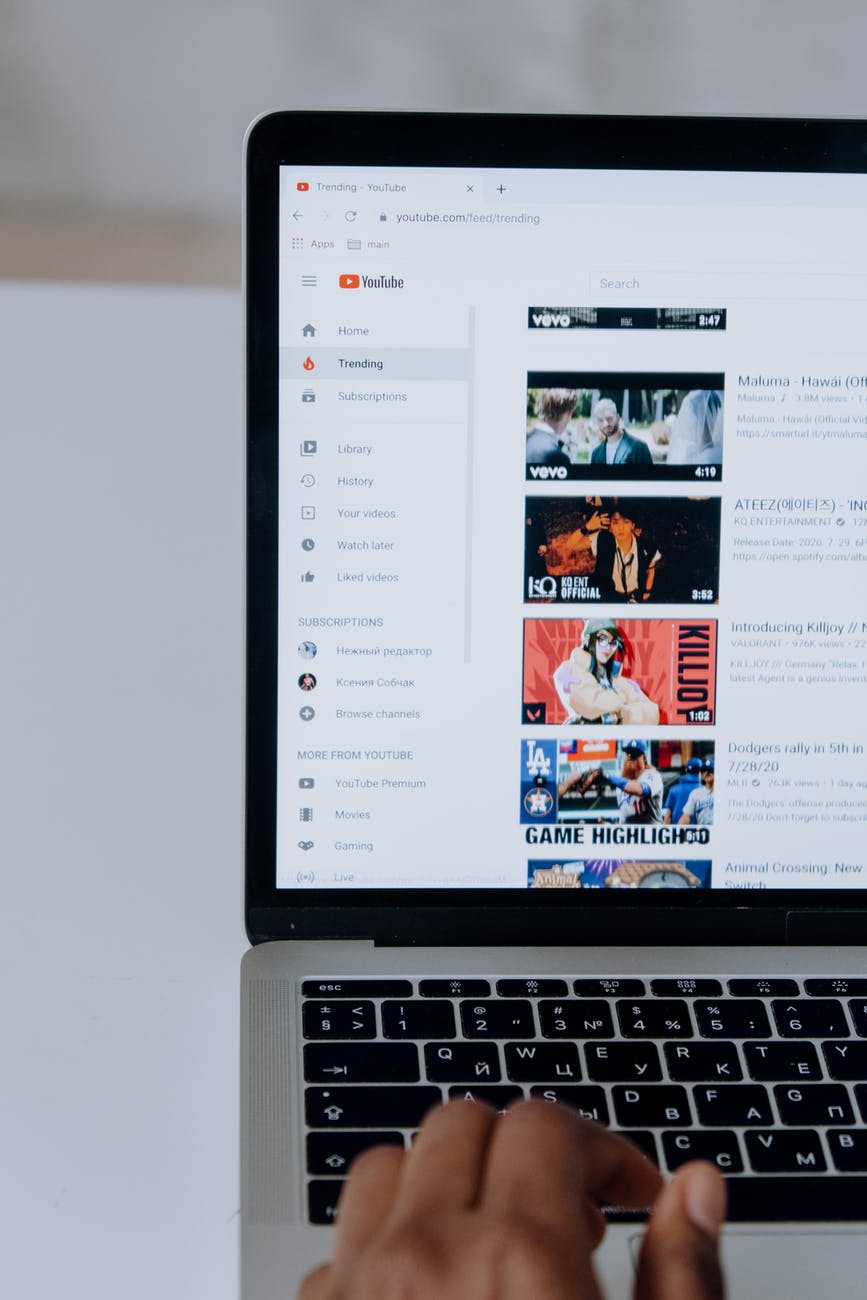
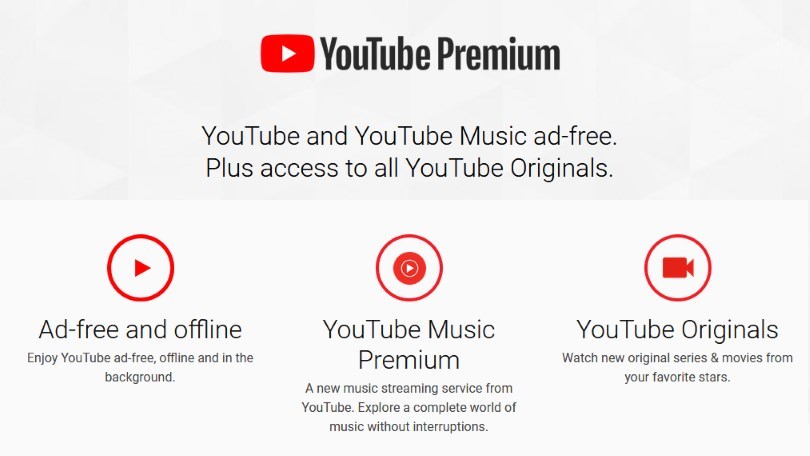
           I can admit it, I’m addicted to YouTube. I am an internet native Millennial after all, and only one of about 2 billion monthly users logged into YouTube (Newberry, 2021). I watch so much YouTube that I pay for YouTube Premium to filter out annoying ads before, after, and during videos. For many people, these ads are so invasive that they end up watching more paid ads than actual creator content. Because I don’t see these ads, I am unfamiliar with their content. I have, however, seen static ads on my YouTube Feed. There are also display ads around the player and in the live feed section. These ads are all paid advertising and forms of digital marketing. Even offering options to pay to skip these ads is a form of marketing!

           Unfortunately, my cash toss of paying for premium YouTube doesn’t eliminate other kinds of marketing on my YouTube feed. I’m talking about the in-video ads from the creators themselves, the “sponsorships” and affiliate marketing. Sometimes I wonder if there is anyone left in the world who hasn’t heard of Hello Fresh, Surfshark VPN, and Square Space. It seems like every YouTuber I follow has had countless sponsorships from these companies. These sponsorships could count as paid advertising, peer-to-peer word of mouth buzz, or influencer marketing. I would place them at the very least, under influencer marketing.

Since I am part of the largest current generation and notorious ad skippers, millennials, we are a prime target for influencer marketing because it resonates with us (Gallagher, 2017). We prefer a peer giving us their opinion on a product rather than hearing from other older forms of marketing like traditional celebrity advertisements which we find disingenuous (Arnold, 2018).

           Additionally, if you are like me, and often check out the “details” of a video after watching on a mobile device, you may notice a plethora of affiliate marketing. I have even participated in this kind of marketing myself on YouTube through an Amazon Affiliates page. It’s common for people to list a link to an item, and mention they get a small kickback if you click through or purchase the item through their link.

           Though too much of any of these marketing efforts annoy me, they also work. I purchase items that YouTubers and other influencers share all of the time! I can’t even explain it… except for the fact that I’m a marketing major and I actually could explain how it works on me. That is a subject for another blog though. I’m not sure I want to explore that too deeply yet, although my wallet and my husband would likely appreciate it!

References

Arnold, A. (2018, March 24). Millennials hate ads But 58% of them wouldn’t mind if it’s from their favorite Digital Stars. Retrieved May 16, 2021, from https://www.forbes.com/sites/andrewarnold/2018/01/21/millennials-hate-ads-but-58-of-them-wouldnt-mind-if-its-from-their-favorite-digital-stars/?sh=5e16a16859ca

Gallagher, K. (2017, January 10). Millennials skip youtube ads… and that’s ok. Retrieved May 16, 2021, from https://www.businessinsider.com/millennials-skip-youtube-ads-and-thats-ok-2017-1

Newberry, C. (2021, February 03). 25 YouTube statistics that may surprise YOU: 2021 edition. Retrieved May 16, 2021, from https://blog.hootsuite.com/youtube-stats-marketers/

Featured

Marketing Implications

Pinterest is one of my favorite social media sites. I use Pinterest nearly daily and have pinned thousands of ideas, photos, and recipes, among other pins. According to Barnhart from Sprout Social (2021), I am not the only “Pinterista”, 42% of all women on the internet use Pinterest, and the platform has about 400 million+ users per day!

Pinterest Business Page

Pinterest has many different options for paid posts and analytics. Users can post crafted video clips, images, and gifs to grab the attention of other users. Users can also click right through to websites or blogs, and even purchase pages, or they can save a pin for later. These pins can be targeted to users by different demographics and psychographics letting companies or users leverage their target segment’s interests and ideals. Posts are also evergreen, so they don’t disappear from the algorithm, and people can continue to repost them by “pinning” them to their boards.

Users can also like and comment on posts, creating interaction between brands and users, or simply between users. This can also help to create brand awareness, as well as affinity. Brands can also track their monthly views, followers, impressions, saves, and clicks helping them to understand how well their strategies are working.
Pins are also categorized by hashtags which helps users find certain genres of pins, like recipes or fashion. This helps to keep the pins recirculating and continuing to bring in clicks and purchases drawing consumers into a purchasing cycle (Redalkemi, 2017).

Additionally, the University of Massachusetts Dartmouth (2020), found that the largest generation, Millennials, prefer shopping on Pinterest over other social platforms and that 47% of Millennial users say they have purchased something they have pinned from the site. I have personally bought many things off of Pinterest. I am attracted to list pins, and often click through to Amazon pages. I like pins like “ Top 10 gadgets you didn’t know you needed!” I can’t seem to resist these pins, and I end up adding something to my Amazon lists at the very least, even if I don’t buy it right away. To be honest, though, I’ll probably buy it later… don’t tell my husband please, it can be our little secret!

References

Barnhart, B. (2021, May 05). Social media demographics to inform your brand’s strategy in 2021. Retrieved May 10, 2021, from https://sproutsocial.com/insights/new-social-media-demographics/#pinterest

Redalkemi. (2017). Importance of Pinterest for Businesses! Retrieved May 10, 2021, from https://www.redalkemi.com/blog/post/importance-of-pinterest-for-businesses

University of Massachusetts Dartmouth (2020). Millennials and Social Commerce: Brands and buy buttons. Retrieved May 10, 2021, from https://www.umassd.edu/cmr/research/2016-millennials.html

Featured

Jack in the Box and one of the worst E. Coli Outbreaks in U.S. History

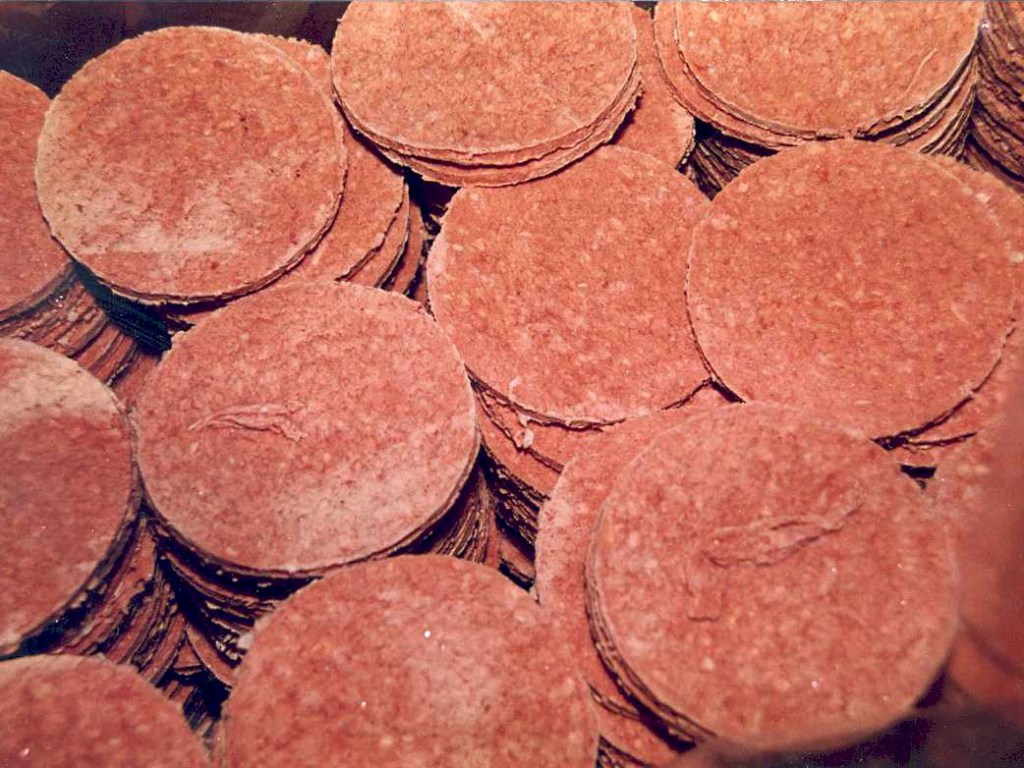
In 1993, Jack in the Box fast-food restaurant had an E-coli outbreak that spanned multiple states, harmed over 600 people, and killed at least 4 children (Murano, 2018). “In the year and a half following the outbreak, Jack in the Box lost approximately $160 million both in court and from lost sales” (Marler, The Marler Clark network 2021).

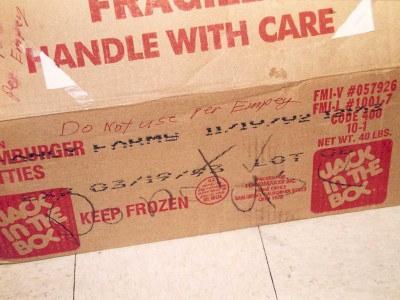
Contaminated Beef Patties from Jack in the Box (Photo from Oregon Health Authority at Outbreakmueseum.com)

Jack in the Box lost millions of dollars by breaking consumer trust in its products. People stopped buying food at Jack in the Box and often boycotted or protested outside the restaurants, as well as outside federal offices (Murano, 2018). According to the Securities and Exchange Commission report (2021), sales went from $1,088,269 in October of 1993 down to $843,038 by October of 1994.

Box of contaminated Hamburger patties (Photo from Oregon Health Authority at Outbreakmueseum.com)

Jack in the Box adamantly denied any wrongdoing and blamed the outbreak on its suppliers. Documents found during litigation found that Jack in the Box was undercooking their hamburgers intentionally as it thought the burgers had a better texture at lower temperatures and had been warned by local health departments and by its employees that it should cease this practice (Marler Clark, 2021). After the outbreak, Jack in the Box changed many of its processes and began doing testing. “The company went from having no microbial testing at all to conducting a random test every 15 minutes” (Andrews, 2018). The company has not since had any other E.coli outbreaks thanks to these new testing procedures, laws, and regulations in the meat and restaurant industries (Andrews, 2018). Cleaning up its act has helped Jack in the Box recover its reputation.

Undercooked Jack in the Box Hamburger Patty (Photo from Oregon Health Authority at Outbreakmueseum.com)

Jack in the Box could have avoided much of these issues if it had listened to its employees and local health officials about cooking the burgers to the proper temperature. Unfortunately, Jack in the Box prioritized profits over people in this instance. Jack in the Box should have had mitigation techniques in place instead of waiting until a crisis appeared. Jack in the Box should have been performing quality checks and constantly improving its standards. Jack in the Box has been lucky that it regained consumer trust so quickly by implementing the techniques it should have already had.

Hamburgers on the griddle at Jack in the Box with a box of raw patties in view ( (Photo from Oregon Health Authority at Outbreakmueseum.com)

Although it would not take responsibility for the outbreak, Jack in the Box did agree to alter its cooking and testing procedures. It also agreed to pay the hospital bills of anyone who had eaten at the restaurant resulting in E. Coli poisoning (U.S. Department of Defense, 2021). According to Jack in the Box (2021), “Our food quality and safety program has been recognized as one of the most comprehensive systems in the industry. In 2004, Jack in the Box received the Black Pearl Award from the International Association for Food Protection and the NSF International Food Safety Leadership Award for outstanding food-safety achievements.” It seems the company has recovered by changing its ways and maintaining a clean record since the 1993 incident, now boasting a net earning of 50.9 million dollars in the first quarter of the 2021 fiscal year (Jack in the Box, 2021).

References

Andrews, J. (2018, July 30). Jack in the box and the decline of E. coli. Retrieved April 03, 2021, from https://www.foodsafetynews.com/2013/02/jack-in-the-box-and-the-decline-of-e-coli/

Jack in the Box. (2021). Jack in the Box Inc. Reports first quarter Fy 2021 EARNINGS; Declares Quarterly cash dividend. Retrieved April 03, 2021, from https://investors.jackinthebox.com/news/news-details/2021/Jack-in-the-Box-Inc.-Reports-First-Quarter-FY-2021-Earnings-Declares-Quarterly-Cash-Dividend/default.aspx

Marler Clark. (2021, March 26). Jack in the Box E. coli Outbreak lawsuits – western States (1993). Retrieved April 03, 2021, from https://marlerclark.com/news_events/jack-in-the-box-e-coli-outbreak-western-states

Marler, Clark. (2021). The Marler Clark network. Retrieved April 03, 2021, from https://billmarler.com/key_case/jack-in-the-box-e-coli-outbreak#:~:text=Settlements%20for%20individual%20and%20class,court%20and%20from%20lost%20sales.

Murano, E., Cross, H., & Riggs, P. (2018, September 19). The outbreak that changed meat and poultry inspection systems worldwide. Retrieved April 03, 2021, from https://www.ncbi.nlm.nih.gov/pmc/articles/PMC6951920/

Securities and Exchange Commission. (2021). Annual Report on Jack in the Box. Retrieved 2021.

U.S. Department of Defense. (2021). Jack in the Box E. Coli Crisis. Retrieved April 03, 2021, from https://www.ou.edu/deptcomm/dodjcc/groups/02C2/Jack%20in%20the%20Box.htm

Photos from Outbreakmueseum.com, 2019 Oregon Health Authority

Featured

The Future of Digital Advertising!

  1. Mobile Marketing
Photo by Andrea Piacquadio on Pexels.com

            Since 2014 mobile internet usage has surpassed desktop internet usage, and this number is still on the rise today (Dodson, 2016). The mobile audience is very large and always expanding. 67.04 % of the entire world’s population own mobile phones (Turner, 2021). This is an excellent opportunity to reach a large number of people very quickly. This also allows marketers to target a specific demographic and reach them directly, making marketing easier. As an added benefit, mobile marketing is often cheaper than other forms of marketing too (Dodson, 2016). This fact alone makes it a worthwhile avenue to pursue!

  • Shoppable Ads
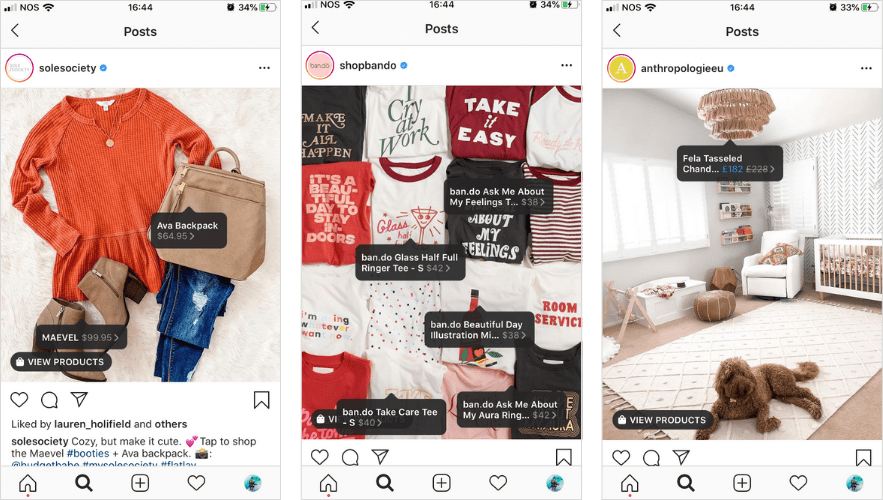
Pic from Ultimate Guide to Instagram Shopping: 8 Tips to Convert Followers (later.com)

       Instagram and other social media websites are integrating e-commerce into their apps. Instagram itself has over 1 billion monthly active users and is growing among adults (Sriram, 2020). These social sites are wildly popular among the world’s population and already have a built-in audience reach. The apps are also offering solutions to businesses as integrated technologies for organizations that can multitask for them. Some of these technologies include shipping, POS, inventory, and reports along with shoppable ads. These shoppable ads give organizations a competitive advantage and reach consumers where they are spending a majority of their time online already (Rainer, 2016). Additionally, shoppable ads make utilizing influencers a breeze.

  • Micro-influencers

            Speaking of influencers, micro-influencers are the future. We know that Millennials have always been fond of influencers in general, but they are also fine with hearing from their friends, acquaintances, and less popular influencers (Morrison, 2014). Micro-Influencers are someone with a medium following such as 10k to 30k followers. These people offer a more genuine feel since their posts are usually less full of sponsorships and ads. These people can interact with others by responding to posts more frequently and having higher follower engagement rates (Sriram, 2020). This is something the largest generation, Millennials, loves! Millennials are not the only generation to respond to genuine interaction though. Baby Boomers and Gen X also appreciate authentic online relationships between brands and consumers (Wiley, 2020). So, don’t discount any generation when it comes to micro-influencers!

References

Dodson, I. (2016). The art of digital marketing: The definitive guide to creating strategic, targeted, and measurable online campaigns. Hoboken, NJ: John Wiley & Sons.

Rainer, R. K., & Prince, B. (2016). Introduction to information systems: Supporting and transforming business (7th ed.). Hoboken, NJ: John Wiley & Sons.

Turner, A. (2021, February 01). 1 billion more phones than people in the World! BankMyCell. Retrieved February 15, 2021, from https://www.bankmycell.com/blog/how-many-phones-are-in-the-world#:~:text=According%20to%20GSMA%20real%2Dtime,breached%20the%205%20billion%20mark.

Wiley, D. (2020, July 14). Council post: REACHING baby boomers with influencer marketing during the pandemic. Retrieved February 15, 2021, from https://www.forbes.com/sites/forbesagencycouncil/2020/07/15/reaching-baby-boomers-with-influencer-marketing-during-the-pandemic/?sh=17ccf8876684

Featured

P&G and the New Product

I have chosen Proctor and Gamble as the parent company of my product’s brand. It appears that P&G is the umbrella company over more than sixty other brands. P&G is a trusted and established company with one hundred and eighty-one years of experience in the world of self, family, and home care products. P&G’s motto is “P&G products have made a name for themselves by combining “what’s needed” with “what’s possible”—making laundry rooms, living rooms, bedrooms, kitchens, nurseries, and bathrooms a little more enjoyable for over 181 years” (Proctor & Gamble, 2020).

Photo by Shiny Diamond on Pexels.com

            The P&G motto promotes innovation and problem solving for people’s personal needs. This motto falls in line with the idea for my product, an affordable, easy, and high-quality skincare line for on-the-go young adults. This company likes to put people first and innovates to reach their goals. For these reasons, P&G will be a perfect match for my products.

Research Objectives:

  • Conduct analysis of whether young adults consider using a skincare product of any type
  • Understand how many steps in a skincare routine is too many
  • Assess how many other affordable AND high-quality brands are present in the market

            These objectives will help us to understand what our chosen segment wants or may be lacking. To further analyze the situation, I will use a Descriptive research design using primary data. This strategy will give researchers an idea of the exact segment to target, a look at the competition, and how consumers are willing to use a product (Babin, B. J., 2019).

Photo by Andrea Piacquadio on Pexels.com

            During primary research, we will reach out to current consumers in the proposed segment for other P&G products, and conduct surveys through social media, email lists and other mobile contact points. This strategy will cut down on both costs and time running the surveys since social media is a nearly free or low cost, and the internet helps get the message and replies out quickly. This plan will aid in quicker data analysis, and the ability to conduct multiple surveys as trials progress.  

Citations

Babin, B. J. (2019). Essentials of marketing research.

Proctor & Gamble. (2020). Brands. Retrieved October 30, 2020, from https://us.pg.com/brands/

Featured

Top Dog Vs the Under Dog

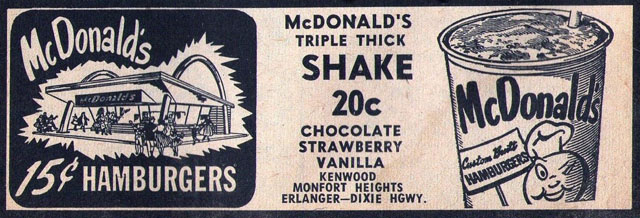
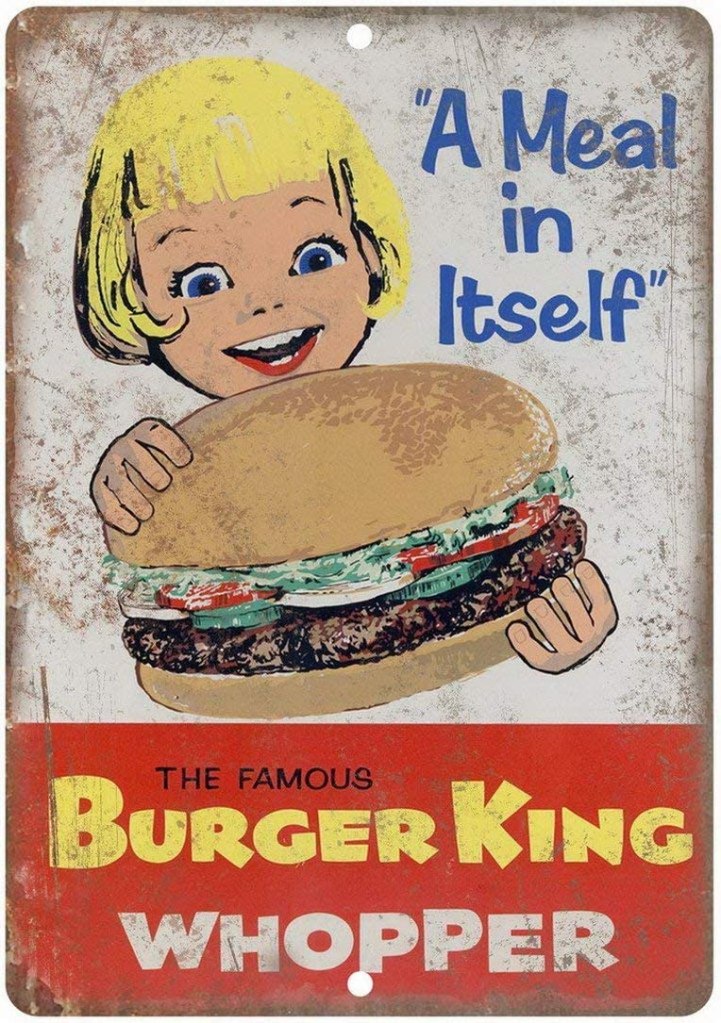
McDonald’s and Burger King’s rivalry has been raging since the mid-1950s. The original McDonalds concept was conceived in 1948 by the McDonald brothers, who rebranded their hot dog stand to be more concentrated and efficient (McDonald’sCorporation, 1998).  Inspired by McDonald’s’ efficiency, Burger King’s founders decided to make a similar restaurant in 1953, Burger King. (Burger King Corporation., 2020).  

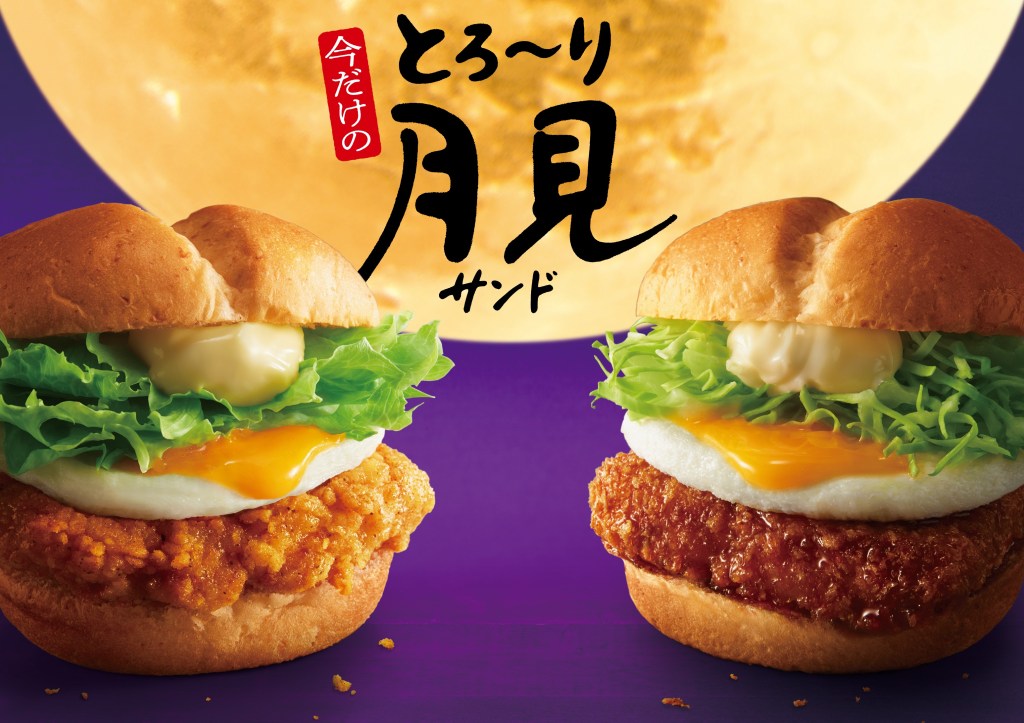
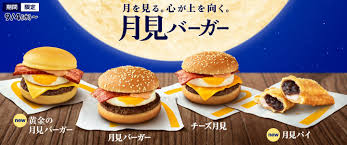
            McDonald’s is the obvious ”top dog’ in this rivalry since they came first chronologically and invented the efficient, small menu, quick-serve restaurant idea. When it comes to branding strategy, McDonald’s uses the “proactive strategy.” McDonald’s is constantly innovating new menu items and reinventing their brand and positioning. This strategy is apparent in their ads for new menu items across the world, like this ad from McDonald’s Japan.

Tsukimi is a fall festival where people view the first Autumn harvest moon with family and friends. It is a popular holiday in Japan and is similar to Thanksgiving in the United States (Nippon Communications Foundation, 2020). McDonald’s created this regional menu specifically for Japan that highlights the culture of the people there. McDonald’s chose to develop or rejuvenate these products for an existing market of users in Japan, and possibly to penetrate new markets of Japanese people who may not have been familiar with McDonald’s. 

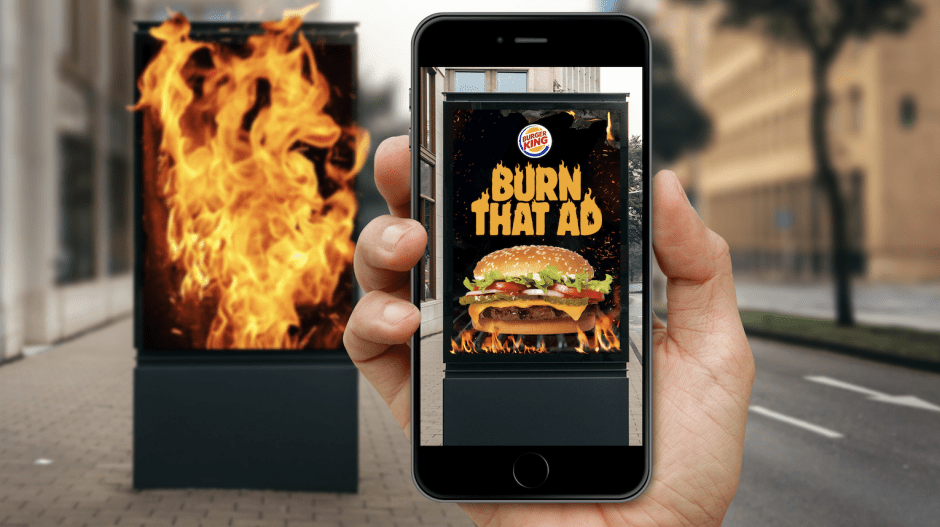
Though Burger King may have initially been using the reactive strategy in competition with McDonald’s, it seems the company has switched to a proactive approach in researching new markets and focusing on brand positioning. One concept they employ is reaching out to Millennials and Generation Z segments through tech and culture. They are also utilizing new tech likes apps and social media to reposition their brand as a hip alternative to McDonald’s.

Burger King appears to have a good grasp on rebranding and may already be on their way to surpassing McDonald’s. Here are a few recommendations that may help.

  •             Brand equity management- Burger King often takes the number 2 spot in people’s minds, and Burger will need to change that by establishing a strong brand identity. They are shedding the weird “Burger thief” identity and trying to move into a relevant and hipper concept for younger generations. McDonald’s, from the beginning, tried to focus on the ‘family” segment rather than young people. Burger King may be able to sweep in and grab this segment by being culturally relevant and ‘real,” as these segments specifically appreciate (Igielnik, 2020). Burger Kinds should show these segments who and what they are about through identity and meaning (Cline, T. W., Cronley, M. L., Kardes, F. R., 2015). This concept will help them resonate with their desired new segments.
  •             According to Consumer Behavior by Cline, T. W., Cronley, M. L., Kardes, and F. R., “Underdogs need to disrupt the status quo.” Burger King needs to challenge their consumers to change their mindset about Burger King being only second best in the burger game. Burger King should concentrate on making their products better than McDonald’s and then having consumers try a blind taste test. This plan could integrate well with their current social media and tech strategies.
  •             Retention is another area that Burger King can improve their strategies. Loyalty programs can help consumers continue to purchase from a company and can create loyalty to that company (Cline, T. W., Cronley, M. L., Kardes, F. R. (2015). Although they have created an app recently with some perks, I think this could expand to include other companies as collaborators (Koltun, N., 2019). For instance, joining with Android, or Apple, or other companies that their target segments often use could bring them new customers as well as help them to retain their current customer base. 

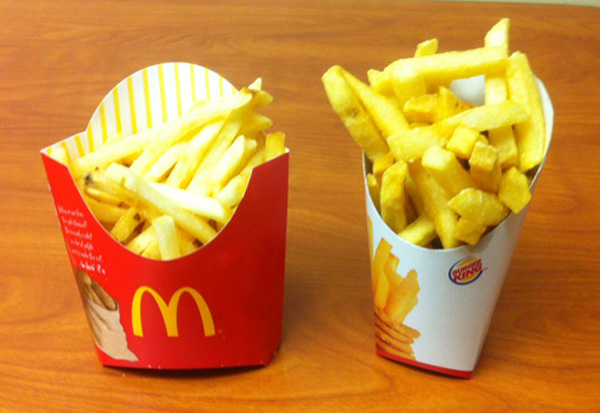
 It may be that McDonald’s is the originator of the counter service concept, or it may just be that the french fries are simply better at McDonald’s. I can’t say for sure why they are known as the “Top Dog,” in the fast-food burger industry. I agree that the fries are better at McDonald’s. Secondly, I think there have always been more McDonalds’ in the places I have lived. Ironically, my Mom worked at Burger King as a teenager, and prefers Burger King! I was just never very impressed with their food, although I don’t eat at either place anymore, as a foodie, and food snob! I may give Burger King a try though, as their new positioning efforts are fascinating and I like that they are targeting my segment!

Citations

Burger King Corporation. (2020) International Directory of Company Histories.Retrieved August 11, 2020, from Encyclopedia.com: https://www.encyclopedia.com/books/politics-and-business-magazines/burger-king-corporation

Cline, T. W., Cronley, M. L., Kardes, F. R. (2015). Consumer Behavior. [MBS Direct]. Retrieved from https://mbsdirect.vitalsource.com/#/books/9781305161689/

Igielnik, K. (2020, May 15). What We Know About Gen Z So Far. Retrieved October 02, 2020, from https://www.pewsocialtrends.org/essay/on-the-cusp-of-adulthood-and-facing-an-uncertain-future-what-we-know-about-gen-z-so-far/

Koltun, N. (2019, December 09). Marketer of the Year: Burger King. Retrieved October 02, 2020, from https://www.mobilemarketer.com/news/burger-king-mobile-marketer-awards/566220/

McDonald’s Corporation. (1998, July 4). Restaurant Innovator Richard McDonald Dies at 89: Pioneered McDonald’s, World’s Largest Restaurant System [Press release]. Retrieved October 2, 2020, from https://www.hotel-online.com/News/PressReleases1998_3rd/July98_DickMcDonald.html

Nippon Communications Foundation. (2020, May 30). “Tsukimi”: The Japanese Tradition of Autumn Moon Viewing. Retrieved October 02, 2020, from https://www.nippon.com/en/features/jg00115/

Featured

Plan SMART to reach your goals!

Dirty and Thirty. (2016, January 20)

Setting goals is a helpful and measurable asset on your way to being successful in anything you want to do in life. This can be especially helpful in business and marketing as well as in your personal life. Having goals can help you focus your ideas and your energy to help you reach the objectives you desire most. Do you know how to plan to get the most out of your goals? The first step is knowing what a goal is, and the difference between goals, strategies, and tactics.

Lyskov, A. (2019, December 30).

Goals- Something you desire or want to achieve.

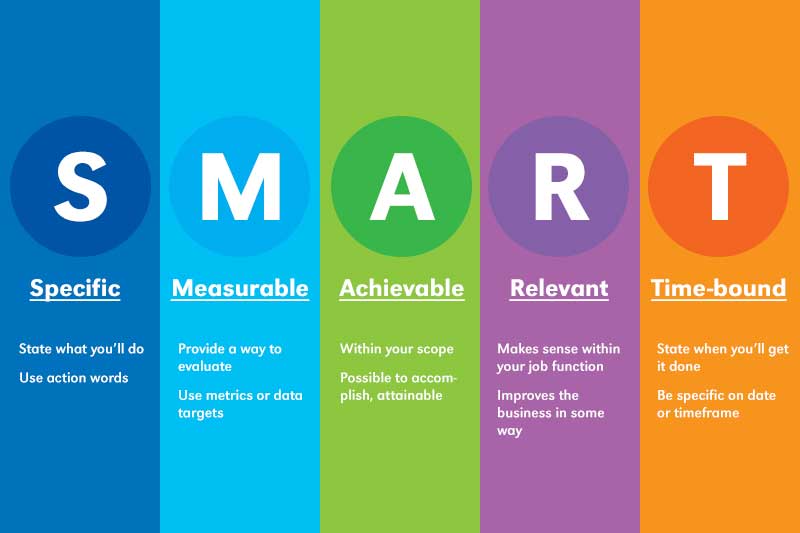
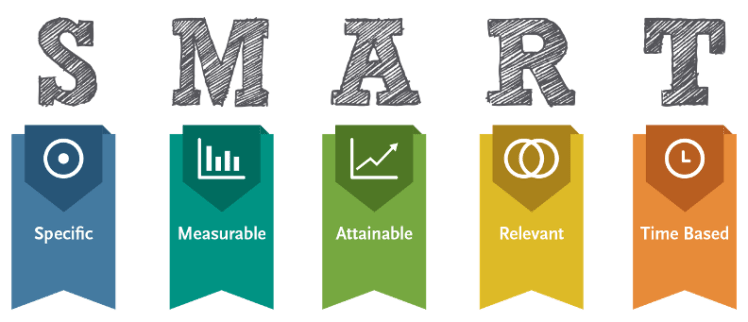
Are your goals SMART? SMART is an acronym that will help you set proper goals.

What is it that you want to accomplish? Is there something you want to afford to purchase, like a new property, or new piece of equipment? Is there something you want to accomplish, like raising your online sales, or getting more Instagram engagement? These are goals! Goals are something you work towards to get the change or outcome you desire.

How do you know that the goals you set are realistic and attainable? Use the acronym SMART to narrow the focus of your goal, and to make sure the desired outcome is within reach. Using SMART goals can set you up for success and make sure you avoid an embarrassing misstep that may tarnish your company’s reputation.

Example: Increase loyalty and repeat customers by 50% in a 6 month period.


Georgia Hispanic Chamber of Commerce (2019, November 18)

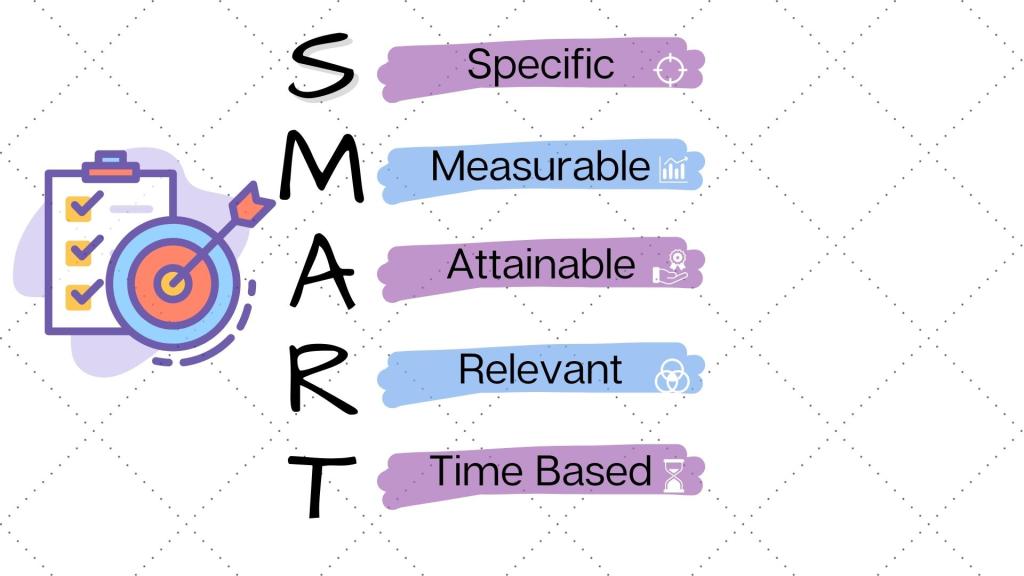
  • S- Specific: Exactly what do you want to accomplish?
  • M-Measurable: How will you know when you have accomplished this goal?
  • A-Achievable: Is this something within your capabilities?
  • R-Relevant: Is your goal appropriate?
  • T-Time-bound: What is the specific time frame you hope to complete this goal by?

Strategy

Your strategy is your overall plan designed to help you meet your goals. This is different from the tactics you will use regularly to achieve your goals. Strategy is looking at the big picture of what you want to accomplish and making an actionable plan.

Example: Connect with customers more often through social media, email lists, and your companies’ website causing loyalty, and repeat purchases.

Tactics

Tactics are the tasks you complete daily or nearly daily to complete your strategy.  

Example:

  • Email clients twice weekly with sales and new item announcements.
  • Post on social media about new products, sales, content about products (Twitter, facebook, youtube etc).
  • Reply to all comments tweeted, on Instagram, or on YouTube. Reply to all emails from consumers.
  • Offer special sales for customers who have already purchased items through mailed postcards or specialized ads on social media, or when they login to your website.

How do you track your goals?

One important step to track your progress is to use KPIs, or Key Performance indicators.

KPI’s are measurable statistics. You can have KPIs for many different aspects of your company.

Here are some examples:

  • Average daily/weekly/monthly impressions on social media or websites, such as Facebook, Instagram, Youtube, company website etc.
  • Recidivism to company website or social media
  • Purchase history of consumers
  • Hashtags, mentions, retweets
  • Downloads of content
  • Comments on social media, website, or mail
  • Click throughs from other sites

KPIs can give you a myriad of information points to help you decide where to spend your marketing dollars and time (Enochson, H., & Heyden., 2020).

Breaking down your goals with these steps can help you be successful in whatever goals you want to accomplish!

Preview(opens in a new tab)

Citations

(2019, July 15). The Difference Between Marketing Strategy vs Tactics – An Example. Retrieved January 24, 2020, from http://charliesaidthat.com/digital/digital/difference-between-marketing-strategy-vs-tactics-an-example/

Dirty and Thirty. (2016, January 20). Home. Retrieved January 24, 2020, from http://www.dirtyandthirty.com/lifestyle/art-reaching-goals/

Enochson, H., & Heyden. (2020). 27 Examples of Key Performance Indicators. Retrieved January 24, 2020, from https://onstrategyhq.com/resources/27-examples-of-key-performance-indicators/

Georgia Hispanic Chamber of Commerce (2019, November 18) (Retrieved January 24, 2020, from https://ghcc.org/5-steps-to-set-smart-objectives-examples/

Lyskov, A. (2019, December 30). Goal Setting for Data Scientists. Retrieved January 24, 2020, from https://towardsdatascience.com/goal-setting-for-data-scientists-b2ca1a3d96a1

Sony Keeps Its Finger on the Pulse of Technology

Right before Christmas my significant other was able to obtain a coveted Sony PlayStation 5 (PS5). This development has led to many late nights of playing games, and much less schoolwork being completed in a timely manner. Though we have had a lot of fun playing video games and becoming completely absorbed into immersive worlds, we have often lost track of time, and forgotten to take proper care of ourselves. We’ve eaten meals way later than usual, become dehydrated, and totally blown our step counts for the day.

These issues are not unique to me and often plague many video game players. As the chief innovation officer at Sony, this problem has led me to consider some technological improvements to gaming systems. The PS5 controller is comfortable to hold for long periods of time, the buttons are soft and springy, and it features haptic feedback for a more immersive experience. But could it do more? I believe it can!

By incorporating biometric sensors into the PS5 controllers, users can monitor hydration levels, heart rate, body temperature, and oxygen levels. The system will also remind users to take hydration breaks or stretch and include options that lock down the system until certain qualifications are met. Additionally, these sensors will improve the gaming experience by tailoring gameplay to each player’s unique vitals.

Value Proposition

The Sony Corporation (or Sony) is the parent company of Sony Interactive Entertainment, which produces the PS5. According to MarketLine (2021) Sony Corporation (Sony or ‘the group’) is a designer, developer, manufacturer, and marketer of audio, video, imaging, game, communications, and information technology products.”  Sony makes high-quality electronics and multiple forms of entertainment. Sony is a leading innovator, bringing value to customers through their products, extensive research, and development of new technology.

Profitability

Sony is a very profitable company. Since the launch of the PS5 in November of 2020 its financial strength has significantly increased. The net profit margin increased from 7.05% in March 2020 to 13.02% in March 2021. That is a 5.97% increase doubling net profits. Total Revenue has increased from 75.9 billion to 84.9 billion, an unfathomable number, since the launch of the PS5 (D & B Hoovers, 2022).

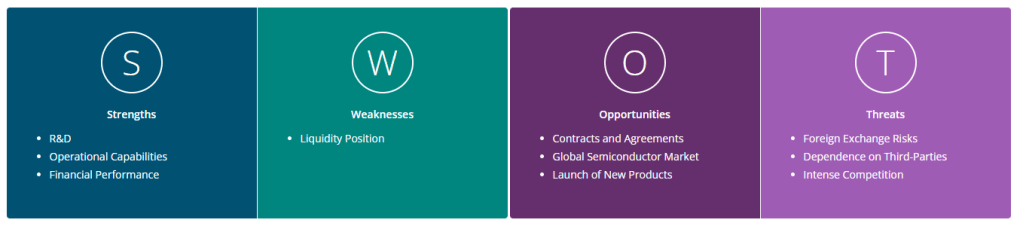
SWOT Analysis (D & B Hoovers, 2021)

Strengths

According to Forbes (2020), Sony is considered one of the most valuable brands in the world, ranking as number 47 out of the 100 most valuable brands. Additionally, SONY is ranked as a best Japanese global brand, a top 50 most innovative brand, a 100 most powerful brand, and many more top accolades (SyncForce, 2022).

Sony is also highly innovative, concentrating on research and development. Firm data analytics company D & B Hoovers (2021) states  “In FY2021, the company incurred expenses of JPY525,175 million on R&D, which as a percentage of revenue, stood at 5.8%.” Sony is highly competitive with locations in many different countries and works in tandem with many companies located around the globe (D & B Hoovers, 2021). This puts SONY in a unique position to develop the technology needed as well as to implement it into an already wildly successful product like the PS5.

Product or Service Singularity

Photo by SHVETS production on Pexels.com

Though biometric meters already exist for home consumption like those found in smartwatches and smartphones, nothing exists on the market that integrates these metrics with gameplay. This addition would position Sony on the bleeding edge of technology, creating not only a competitive advantage but also opening an entirely new market. No other video game platforms offer this service and integrating biometric feedback into the PlayStation platform creates opportunities for other developers to create content that utilizes this technology.

New product or service projections

Trend forecasts state that video gaming has made substantial gains lately, garnering over 155 billion in revenue in 2020, and is expected to grow to 260 billion in revenue by 2025, industry-wide (Beattie, 2022). A significant change in the market like rising gaming popularity presents many new opportunities for Sony. Additionally, sensors could impact future entertainment and healthcare applications within the contemporary metaverse.            

One of the leading consumer-grade, bioelectric medical tracking device producers is Fitbit Inc. (Fitbit). Fitbit’s 2020 annual revenue was roughly $1.3 billion (Mergent Online, 2020). Sony isn’t trying to compete directly with Fitbit, but Sony could capture a small portion of Fitbit’s market through a new integrative product. Theoretically, a match of even just 5% of Fitbit’s revenue, would equal $65.8 million in additional revenue for Sony.

References

Beattie, A. (2022, February 8). How the video game industry is changing. Investopedia. Retrieved March 3, 2022, from https://www.investopedia.com/articles/investing/053115/how-video-game-industry-changing.asp

D & B Hoovers. (2021,). SONY SWOT Analysis. D&B hoovers – login. Retrieved March 6, 2022, from https://app.avention.com/company/68e6c845-457b-3c44-9051-e05f20a1ccac

D & B Hoovers. (2022). Sony Financials. D&B hoovers – login. Retrieved March 6, 2022, from https://app.avention.com/contact/99060f51-f10c-3cb3-b2f6-b89e81b0b995

MarketLine. (2021, September 30). Sony Corporation SWOT Analysis. MarketLine.

Mergent Online. (2020). Www.mergentonline.com.ezproxy.snhu.edu. Mergent Online – FitBit. Retrieved March 6, 2022, from http://www.mergentonline.com.ezproxy.snhu.edu/companydetail.php?compnumber=886 SyncForce. (2022). Ranking per brand. Sony Brand Ranking | All Brand Rankings where Sony is listed! Retrieved March 3, 2022, from https://www.rankingthebrands.com/Brand-detail.aspx?brandID=127

Course Recap – MKT 455

Most Interesting

Photo by fauxels on Pexels.com
  •             The most interesting thing I learned about was about organizational behavior. It was fascinating reading about the tech company who didn’t understand why their social media implementation completely failed. The firm was completely tone deaf and even made using the social media part of their employees’ review (Huy & Shipilov, 2012). This was such a ridiculous concept that it made me laugh out loud. I love organizational behavior and it was one of my very favorite classes of all the classes I took at SNHU for my degree program.  I would love to work in this field, but I worry that it will be difficult and stressful to have to explain to clueless people why they should care about other people. Most of the concepts seem obvious to me, but apparently giant corporations are often run by abnormal people.  

Blog

Photo by Pixabay on Pexels.com
  •             I didn’t mind the weekly blogs themselves, though I loathe worpress.com. I learned recently that WordPress.org exists and is completely different then wordpress.com. I still can’t figure out how to format anything with this worthless website/ blog builder, and I consider myself fairly tech savvy. I wish anyone luck trying to format the paragraphs or citations!

            Admittedly, I also did not enjoy having to reply to blogs, like discussions. It’s not that I don’t like replying or reading my peers’ work and thoughts, more that I dislike being required to do so. Like the tech company requiring its employees to use its social media, this requirement took all the fun out of blogging and socializing with peers. It felt like more busy work in an already writing-intensive class. I felt like I barely had any free time with all the writing and research required and didn’t feel like having to do more just to prove I read something.

Photo by Pixabay on Pexels.com
  •             I strongly dislike WordPress and replying to blogs. I also disliked how outdated this class was. Many of the articles were from 2013, near a decade ago. Social media moves too fast now to have college classes using any information more than a few years old, and that is honestly pushing it. Some links and videos also didn’t work because they were so outdated. I also wish we learned more about the back end of social media, analytics. Instead many of the marketing classes told us to take analytics classes through Google, which actually does a good job at teaching, though a bit boring. Instead I feel like SNHU is a bit redundant in its marketing curriculum. I honestly couldn’t tell any of my marketing classes apart and I feel as though I wrote the same final project multiple times with only slight differences.
Photo by meo on Pexels.com
  •             I loved the sections on organizational behavior and anything to do with psychology and human nature. Those sections were all fascinating and fun to me. I also enjoyed making graphics for my blog and trying to make my blog a bit more fun and interesting. The creativity this class allows for is nice and made me look forward to the blogs I sometimes dreaded after suffering writing fatigue.
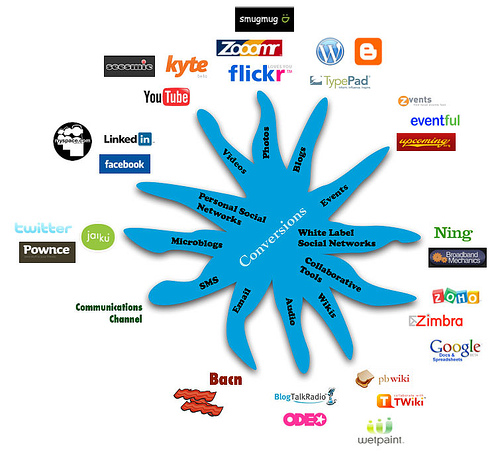
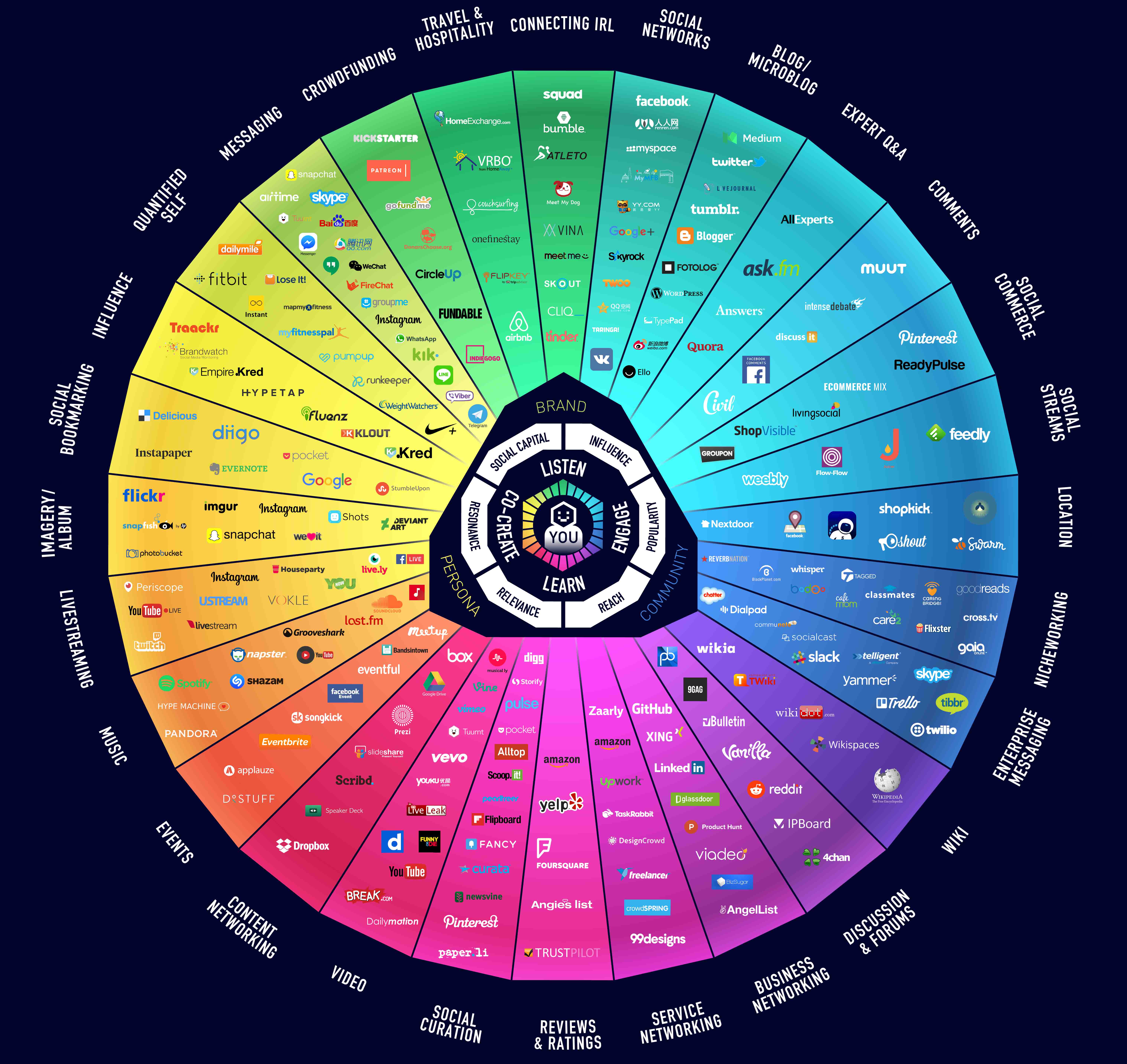
  • The “Conversation Prism by Solis (2021), was also intensely interesting. I enjoyed seeing how the prism changed from 2008 to its current iteration. Its progression shows so much about the internet and society’s progression.   

References 

Huy, Q., & Shipilov, A. (2012). The Key to Social Media Success Within Organizations. MIT Sloan Management Review, 54(1), 73–81. Retrieved December 2, 2021, from https://services.hbsp.harvard.edu/lti/links/content-launch.

Solis, B. (2021, February 22). Homepage. Brian Solis. Retrieved December 10, 2021, from https://www.briansolis.com/.

School Update – Campaign Thoughts and Feelings

Feelings

  • I  feel relieved that this class is nearly over, and I feel ok about the marketing campaign itself. It was hard to come up with campaign tactics when I had no product or concept to make them about. This could have been included in the class to make it easier. Generally, you know what you’re trying to sell or convince people of before designing a campaign! Knowing about the company did help me plan the campaign some, but this was mostly due to my extensive research on the company, target market, and similar campaigns I created for other classes.   

Overall Experience

  • Though I didn’t mind the concepts of the coursework to develop a campaign, I honestly felt it was extremely redundant to previous classes I was required to take, and woefully outdated. I didn’t feel stimulated by this coursework as I would have about new concepts or ideas. Social media is changing rapidly, and coursework should reflect new concepts, like VR and Metaverse. These new ideas represent different ways that social media could be used to define firms, causes, learning opportunities, and even society itself (Clark, 2021). The Metaverse is the future marketers, and specifically social media or digital marketers, should be preparing for. The Metaverse will likely disrupt many of the traditional ways of socializing, doing business, learning, and living; so marketers should be prepared to change the way marketing is consumed and digested. As the metaverse develops more features, campaigns will change significantly.
Photo by Stefan Coders on Pexels.com
  • Admittedly, some of the tactics I employed may already be overplayed from the perspective of consumers. Younger consumers are already mostly immune to ads and employ ad blockers and VPNs to guard against cookie tracking and social scrubbing (Handley, 2017). Marketers will need to find a way to coexist, non-invasively, with consumers, and must remain genuine and authentic in the quest to problem-solve pain points for consumers. Otherwise, consumers won’t continue to play ball.  

References

Clark, P. A. (2021, November 15). What is the metaverse? here’s why it matters. Time. Retrieved December 8, 2021, from https://time.com/6116826/what-is-the-metaverse/.

Handley, L. (2017, January 11). Generation Z likely to avoid advertising, use ad blockers and skip content: Study. CNBC. Retrieved December 8, 2021, from https://www.cnbc.com/2017/01/11/generation-z-avoids-advertising-uses-ad-blockers-and-skips-content.html.

Is Emotional Capital Important?

It’s the most important factor in sustainability and true success.

STATEMENT:  The authors (Huy and Shipilov, “The Key to Social Media Success Within Organizations”) argue that the main reason some social media initiatives fail to bring benefits to companies is that the initiatives do not create emotional capital, which they define as a strong emotional connection between stakeholders and the company.

Agreement

Photo by fauxels on Pexels.com
  • Emotional capital is 100% necessary for successful social media initiatives in organizations. To me, it seems incomprehensible that a company would even think it could make internal social media work for them without genuinely caring about its stakeholders. Stakeholders are people with lives, experiences, and emotions, which firms tend to ignore. If a firm doesn’t act in a manner that indicates it cares about its stakeholders, any efforts will feel disingenuous. Unfortunately, some companies even found that implementing new internal social media highlighted its inadequacies (Huy & Shipilov, 2012). 

Why

  • Traditionally, people were taught to keep business and home life separate, but we are finding that it is not the best way to create positive work relationships. This fact may seem obvious to some people but caring about stakeholders and treating them as the humans they are, reaps benefits for society and the firm. This idea goes back to one of my favorite subjects (and one I’ve mentioned previously in my blogs), the Triple Bottom Line, where a firm’s efforts benefit society as well as stakeholders (Miller, 2020). 

Emotional Capital

  • According to the Cambridge Dictionary (2021), emotional capital represents “the feelings and beliefs that help an organization’s employees to form successful relationships with each other, which is good for the organization.” Emotional capital is the earned respect and feelings a company gains from showing their employees they genuinely care about them, and the world! By building relationships with those the firm interacts with, this capital often translates to benefits for all stakeholders and continued sustainability. Essentially, it pays to be nice!

What a novel idea, right? I absolutely love organizational behavior theory, and I would LOVE to work in this discipline. It would be awesome to help companies show their stakeholders they care. The issue lies in the example from Huy and Shipilov (2012) of the unnamed tech company. How do we teach companies to care about stakeholders, who do not genuinely care about their stakeholders or the world? All the social media tactics can’t fix that issue. 

References

Cambridge Dictionary. (2021). Emotional capital. EMOTIONAL CAPITAL | definition in the Cambridge English Dictionary. Retrieved December 5, 2021, from https://dictionary.cambridge.org/us/dictionary/english/emotional-capital.

Huy, Q., & Shipilov, A. (2012). The Key to Social Media Success Within Organizations. MIT Sloan Management Review, 54(1), 73–81. Retrieved December 2, 2021, from https://services.hbsp.harvard.edu/lti/links/content-launch.

Miller, K. (2020, December 8). The triple bottom line: What it is & why it’s important. Business Insights – Blog. Retrieved December 5, 2021, from https://online.hbs.edu/blog/post/what-is-the-triple-bottom-line.

REFLECTION:  Thoughts on the Course

Most Important

Two elements stick out to me among the many important pieces of a successful marketing campaign, knowing your segment, and understanding your objectives. 

Objectives

           “Well established objectives and goals will form the foundation of full marketing plan strategies and tactics” (Seltzer, 2010). Setting objectives gives a marketer or team of marketers something to work towards and builds the cornerstone of the campaign upon. One of the best ways to ensure the objectives will be successful is by using the S.M.A.R.T. acronym. You can check out more about S.M.A.R.T. goals on my other post about the subject, but here is a quick summary:

· S-Specific: Exactly what does the firm wish to accomplish? 

· M-Measurable: How will the firm know when it has accomplished this goal? 

· A-Achievable: Is this something the firm can achieve?

· R-Relevant: Is the goal appropriate for the firm or department? 

· T-Time-bound: When does the firm wish to complete the goal?

           Set objectives help to direct actions to garner the desired result (Sexton, 2014). This “plan” also encourages firms to consider any legal or ethical concerns about its products or marketing activities and ensures that the firm’s actions align with the firm’s mission. 

Segmentation

Photo by Kindel Media on Pexels.com

           Barone, 2009 states “Put a face on them. Who are they and what are they interested in?” This is a key component of every campaign. Where does your segment hang out, what do they like, and what do they follow or watch? These are just a few of the many questions marketers must answer to create a successful campaign. Lastly, listen to your consumers, and then give them what they need and want! If the firm can solve a pain point for consumers, they will become loyal and trusting customers. 

Change of Opinion

Photo by Brett Jordan on Pexels.com

I only feel slightly different in that I am more confident that I understand the psychology concepts of social media marketing more. I’m still somewhat unsure about analytics, but it appears that the field is ever-growing and changing. There isn’t a “one size fits all” approach to marketing campaigns, and each one is a breathing and evolving concept. The idea of constant evolution assures me that I am on the right track and reminds me I need to approach every campaign as a new and separate case. What works for one campaign may not work on another campaign, and one must approach each obstacle as they come about. Each hurdle is merely a new challenge to unravel. 

CITATION:  

References

Barone, L. (2009, July 11). Creating your social media plan: Using Social Media for Business. Outspoken Media. Retrieved November 22, 2021, from https://outspokenmedia.com/social-media/social-media-planning/.

Seltzer, D. (2010, December 17). Definition of marketing objectives, goals, strategies and Tactics. Suite101. Retrieved November 22, 2021, from https://web.archive.org/web/20130804174257/http://suite101.com/article/definition-of-marketing-objectives-goals-strategies-and-tactics-a321854.

Sexton, P. (2014, October). Narrow your focus: tackle no more than three measurable goals at a time to actually achieve them. Landscape Management, 53(10), 60+. https://link.gale.com/apps/doc/A389509071/GRNR?u=nhc_main&sid=bookmark-GRNR&xid=2c567930

All Press is Good Press for the Pepsi Refresh Campaign and its Triple Bottom Line loving Segment

From the Harvard Business Review:

The triple bottom line is a business concept that posits firms should commit to measuring their social and environmental impact—in addition to their financial performance—rather than solely focusing on generating profit, or the standard “bottom line” (Miller, 2020)

Photo by Tim Mossholder on Pexels.com

In 2009 Pepsi chose to forgo the traditional Super bowl Marketing it usually participated in and instead invest that money in grants to change the world (Norton et al. 2017). The campaign lets consumers put forth ideas and vote on the winners. Then, Pepsi helped the winners carry out their initiatives by supporting them with resources and grant money. Many critics and Pepsi’s bottlers thought the campaign was pointless. Pepsi’s principal marketing objective was to maintain its Baby Boomer segment and engage more Millennials to drink Pepsi.

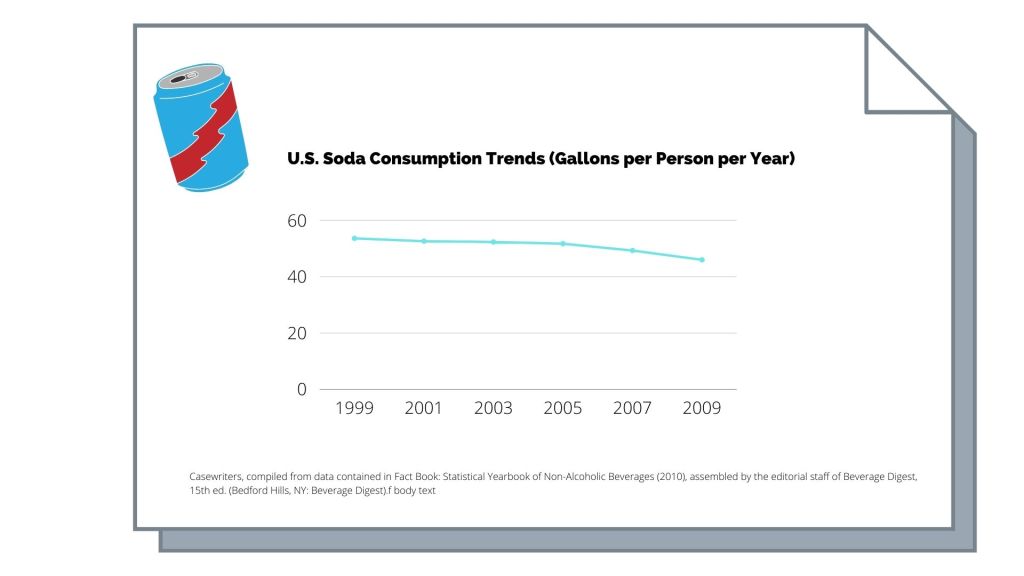
I believe the campaign was a success, though soda drinking was steadily decreasing in general before the campaign (Norton et al., 2017). This issue may stem from new health initiatives from the white house or other changes to packaging that happened concurrently, along with a new attitude about health in the United States (Norton et al., 2017).


Although Pepsi didn’t participate in the Super Bowl, it garnered a significant amount of earned media from its refusal in advertising. Coke still engaged in Super Bowl advertising and even purchased extra time slots during the game, gaining 390,000 new fans on its Facebook page, while Pepsi acquired 300,000 during the same time (Norton et al., 2017). This result alone is an exceptional outcome, but does it drive sales? I can’t say for sure, and at the time, Pepsi was not yet seeing the rewards of its good deeds. Luckily for Pepsi, Millennials, the world’s largest living generation, and favorite marketing segment, love the triple bottom line! This realization was one executives of Pepsi already knew from its previous research (Norton et al. 2017).

Photo by fauxels on Pexels.com


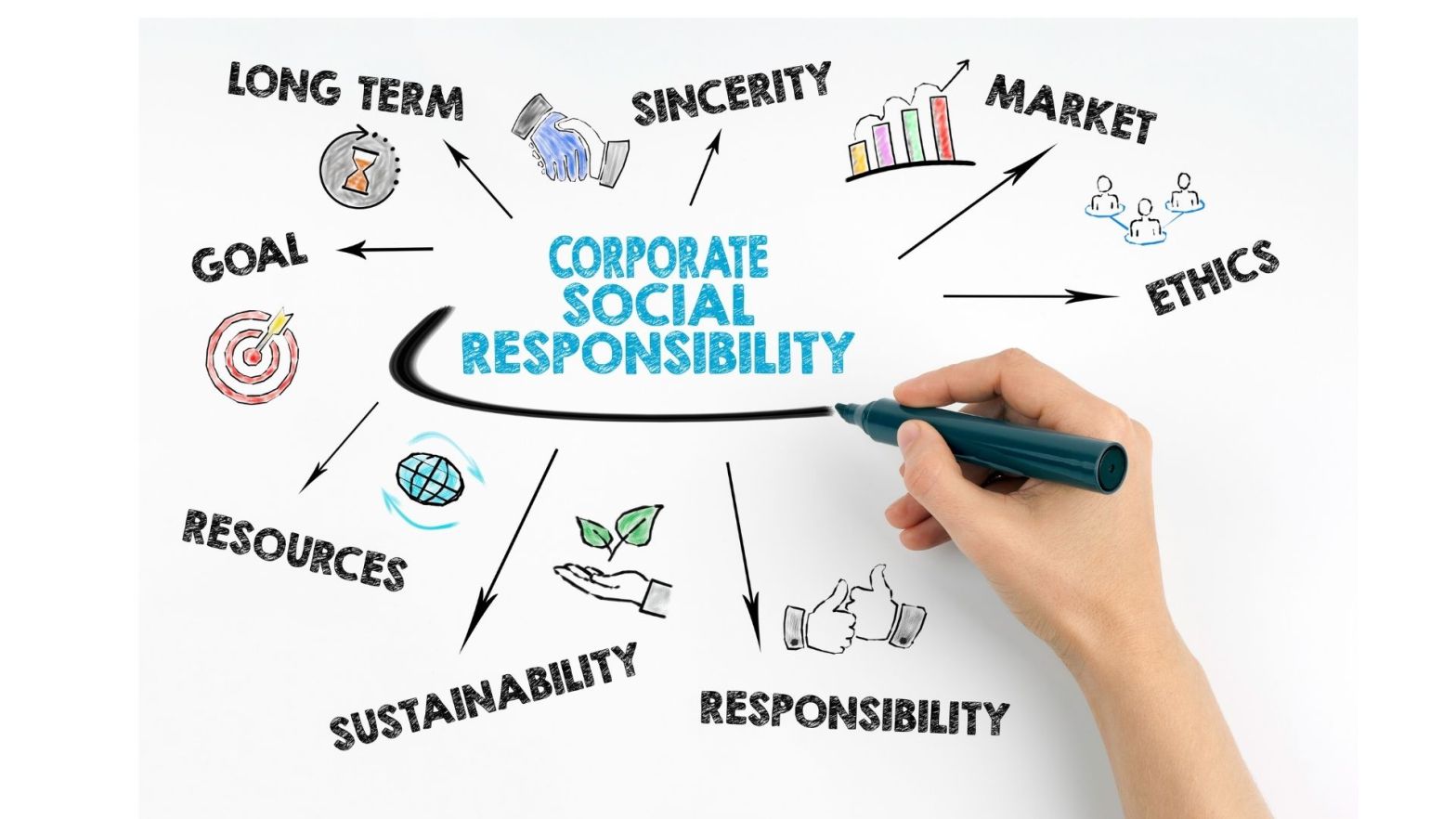
Additionally, research has shown that businesses that utilize the triple bottom line approach create a strong competitive edge. According to Aflac (2019) “77% of consumers are more willing to purchase from a company with a CSR pledge.” Corporate social responsibility is crucial to consumers. The Pepsi Refresh Project maintained its genuine intentions by focusing on those values rather than focusing on sales. Looking at current company reports one can see that Pepsi is doing better than ever. A Statista analysis by Conway (2020) declares “PepsiCo has increased its global net revenues from 39.47 billion U.S. dollars in 2007 to more than 70 billion U.S. dollars in 2020.” It appears the campaign wasn’t detrimental to Pepsi, and it has also helped the company continue to grow successfully despite lowered soda consumption. Likely, one main cause was better brand positioning among consumers.

Strange how doing good for the world seems to do well for everyone…

Photo by Markus Spiske on Pexels.com

How Is This Class (Social Media Campaign) Going?

So far, I have found this class on social media campaigns to be fairly easy. This social media class is the 4th or 5th class with the same content I have taken, so nothing has been too strenuous, though it is writing and time intensive with extra blog replies and other papers, etc.

I love social media marketing, so I have really enjoyed learning more about LinkedIn and the Google analytics program that this class recommended. I have already completed the beginner certification and cannot wait to take the next one. I feel as though I learned so much from just that beginner course, about analytics. This topic is something I wish that SNHU would focus a bit more on. This class has made me consider what else I may need to do to increase my knowledge! (looking at you WordPress, with whom I have a love/hate relationship, mostly hate…)

Photo by Daria Shevtsova on Pexels.com

This social media class has also taught me how quickly things move in the world of social media. Many of the articles we have read for the class are from 2013 or even earlier. Many of the apps and programs mentioned in these articles don’t exist anymore. The problems the articles discuss are now solved but replaced with a slew of new problems too. Honestly, I can not wait until I graduate so I can get started on learning more platforms and have time to concentrate on certifications that will benefit my career. There is SO much more to learn, and I actually love that!

Photo by Kaboompics .com on Pexels.com

My campaign is going well. I already have a basic plan and ideas laid out, and I need to flesh them out formally. I am excited to have more work for my portfolio! I’m also ready to start implementing some of my ideas! I think like a marketer everywhere I go now. Driving with my husband we talk about ads and billboards we see, etc. It’s funny, but I think I am ruined forever! I think about everything in terms of marketing now. I’m excited to continue my education and get started on my career!

My Top Three Social Media Platforms

Social Media and Me

A multitude of new players has entered the ever-expanding world of social media along with a horde of new ways to use existing social media tools. There can be a learning curve for many of the features, and frankly, it can be a time suck to use and learn the platforms! Fortunately, there are some awesome benefits to socializing online. On the other hand, there are also some pitfalls we all need to avoid too!

Social Media Tools I use

TikTok Likes and Dislikes

Girls dancing and recording a TikTok
Photo by Artem Podrez on Pexels.com

I have gotten into using TikTok this year, myself. I am not that surprised I like it, because I loved Vine, which was a previous incarnation of TikTok. I was never really into reels or Snapchat, which have some similar characteristics to TikTok. I want to become a TikTok guru, but some of the controls have been a bit difficult for me to learn. I suppose surfing through TikTok isn’t that difficult but making a TikTok in the native app seems more challenging!

I used to work in the film industry, so filming “extra” is necessary so that you have enough to cut down. In the app, you must keep filming concise, as it doesn’t let you go back or cut some “film” to take more video. It’s hard to figure out the timing and where to place text as well. I need to practice editing! My friends and family that make TikToks say it’s all about using external filming and editing, then importing the media afterward. I don’t like this added step! Time is money! Hahaha! My time is at a premium it seems, these days too.

Photo by Enric Cruz Lu00f3pez on Pexels.com

I love that TikTok can be so versatile to a person’s varied interests. Curation is the name of the game on many social platforms. I love finding out what other people watch on TikTok too. I always find a new genre I didn’t know existed from talking with other people or friends sending me TikToks they like. I love travel TikToks and lists of cool places in my area. I’m also a foodie, so reviews of new restaurants and video of what they offer is a tremendous help when making foodie adventure plans.

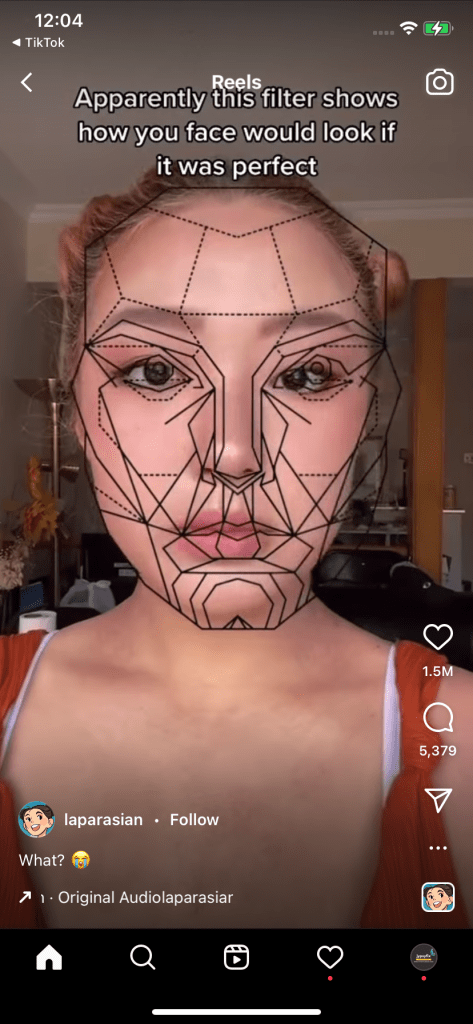
TikTok also has some very toxic elements. I worry about everyone using the platform, but especially younger generations, feeling inadequate from TikTok and other social media. Some filters allegedly show you the “perfect face” and how “off” your features are from “perfect” or “symmetrical.” I really dislike this element as it is SO harmful to people. I also dislike the negative and dangerous TikTok challenges, like hurting people or destroying property. These components do nothing to advance society.

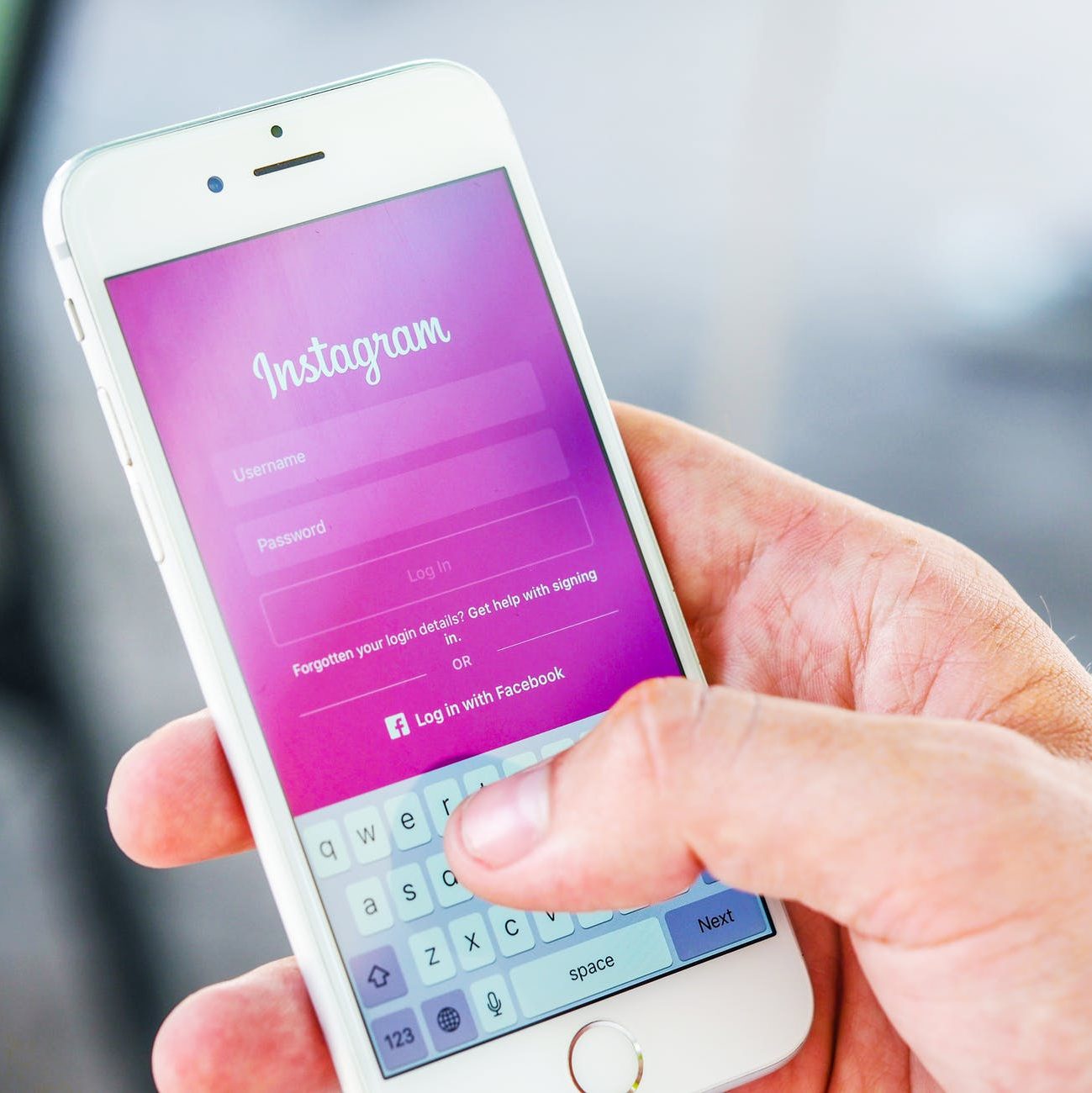
Instagram Likes and Dislikes

Phone pulling up Instagram
Photo by energepic.com on Pexels.com

I am a millennial, so I also really enjoy Instagram. The photos and the short blurbs just appeal to me for their simplicity, though TikTok gives me a bit more information, which I also enjoy. Time is short, and our attention spans are even shorter!  I enjoy Instagram when I am somewhere that I can’t necessarily play the sound out loud. Unfortunately, Instagram is another opportunity for toxicity though, and for the same reasons as TikTok. I suppose most social media platforms have these same pitfalls.

One of my all-time favorite social media platforms is Reddit. Interestingly enough, there are only about 52 million daily active users worldwide. I find this strange since almost everyone I know seems to be on Reddit. In perspective, there are about 7 million people in the greater Houston area alone, so 52 is a relatively small number (Jankowski, 2019). Conversely, Facebook, since the second quarter of 2021 has had around 2.89 billion active daily users (Statista Research Department, 2021)!

Reddit Likes and Dislikes

Photo by Brett Jordan on Pexels.com

Reddit lets you curate your interests like the others but has as little or as much information as the user would like. I especially love Reddit for its informative sidebars in communities. I often find myself getting into a new show and wondering more about the book, comics, animated series, OVA shorts, etc. of that franchise. Simply search Reddit and you will have the information on which order to watch them, or which ones to skip, where to start in a series, etc. If you have a question about anything, Reddit has your answer.

If you wonder if anyone has ever made a graph or chart of something, check Reddit. If a subject is not there, maybe you could be THE CHOSEN ONE! Do it, and farm all the internet cool points, known as Karma! Reddit has everything, and it has the community element to back it all up! Reddit can be a fun place to find your tribe, and that is why it remains one of my favorite platforms.

References

Jankowski, P. (2019). Houston population expected to exceed 7.1 million by 2020. Houston. Retrieved October 31, 2021, from https://www.houston.org/news/houston-population-expected-exceed-71-million-2020.

Statista Research Department. (2021, September 10). Facebook mau worldwide 2021. Statista. Retrieved October 31, 2021, from https://www.statista.com/statistics/264810/number-of-monthly-active-facebook-users-worldwide/.

Why should we use Marketing Objectives?

How does a firm know that they are on track to succeed? What is the focus of each department, or the firm as a whole? These questions are answerable by establishing marketing objectives or goals. 

         Setting goals and objectives give employees and other stakeholders something to work towards. These goals can help refine ideas and focus efforts by streamlining actions to achieve a specific desired result (Sexton, 2014). Some common marketing objectives are:

  • Increase online sales
  • Increase Brand Awareness
  • Increase web traffic
  • Decrease customer churn over

Are the goals you set realistic and attainable? Use the acronym S.M.A.R.T. to ensure they are. 

· S-Specific: Exactly what does the firm wish to accomplish? 

· M-Measurable: How will the firm know when it has accomplished this goal? 

· A-Achievable: Is this something within the firm’s capabilities?

· R-Relevant: Is the goal appropriate for the firm or department? 

· T-Time-bound: When does the firm wish to complete the goal?

         Utilizing SMART goals helps to keep the firm on track to succeed and can work to mitigate any missteps along the way. This “road map” also encourages a firm to consider any legal and ethical concerns that may arise from its chosen marketing activities.

         Every goal and objective needs to align with the overall mission of the firm. For example, if a clothing company’s mission is to do no harm and promote greener business practices, that company should not set goals to switch to less green material for its products to lower costs. The choice to utilize lesser materials may cost the company less cash upfront but is detrimental to its overall mission.   

         Additionally, the strategies and tactics used to attain the goals will be ethical and legal. In the example above, switching to a lower cost but non-recyclable material may also be unethical or illegal if the company claims its products are sustainable.

          The American Marketing Association (2021) states, “Embrace ethical values. This means building relationships and enhancing consumer confidence in the integrity of marketing by affirming these core values: honesty, responsibility, fairness, respect, transparency, and citizenship.” Items to consider:

· Is this culturally sensitive and appropriate? 

· Is it legal in this area, region, state, or country? 

· Just because we can, should we?

· Does this advance the firm’s success and longevity?

         Utilizing S.M.A.R.T. goals forces firms to plan and consider their performance indicators. Having a plan with actionable goals and objectives also gives the firm a strong focus. Be conscious of ethical, moral, and legal concerns, and treat shareholders as you wish to be treated. These measures will lead to consumer/ shareholder trust, long-term sustainability, and success!

References

Sexton, P. (2014, October). Narrow your focus: tackle no more than three measurable goals at a time to actually achieve them. Landscape Management, 53(10), 60+. https://link.gale.com/apps/doc/A389509071/GRNR?u=nhc_main&sid=bookmark-GRNR&xid=2c567930

Design a site like this with WordPress.com
Get started