There are a variety of tools that can help marketers define their target market. Two tools that I like are Hootsuite Analytics and using a test market scenario. These marketing tools can be adjusted to fit the needs of different products/ services and can help a marketer define or refine their target segment.
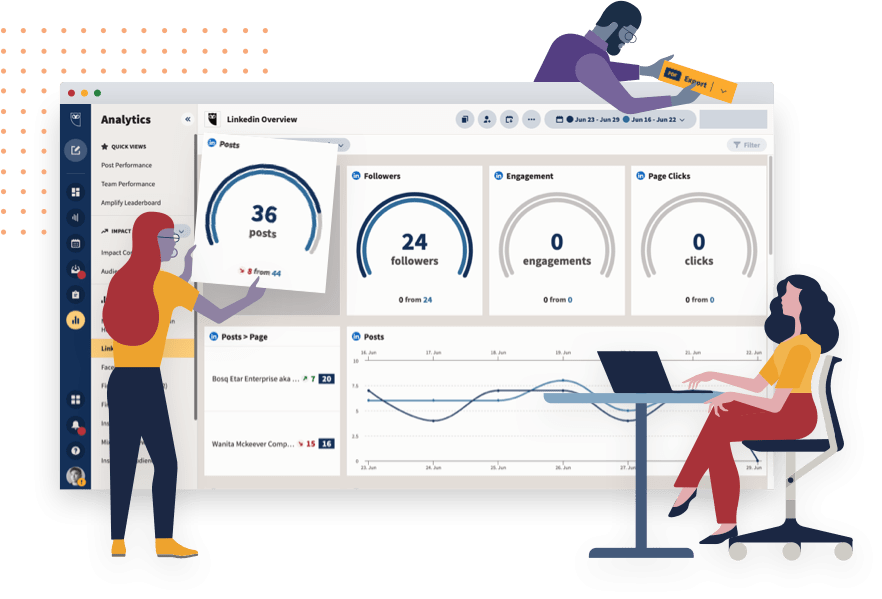
Hootsuite is an online marketing company that offers multiple tools to make the lives of digital marketers easier. Hootsuite (2021) allows a user to look at their analytics across multiple platforms simultaneously, giving the marketer a larger view of the overall picture. With this tool, a marketer can view and print reports or check the performance of posts (Hootsuite, 2021). Here are some of the pros and cons:
Hootsuite is highly customizable, user-friendly, and has tons of great blogs on marketing tips and free e-learning courses too!
Test Markets are a great tool to help marketers define or refine their target segment. This research entails finding a target market similar to the intended segment and testing the product with those consumers. Similarities in the consumers should include the geographic location, psychographics, and demographics of the target group (Babin, 2019).
Test Markets can be accomplished through many different research-specific companies or done by the company themselves. A test market provides a sort of trial run for the product or service. Sometimes the product or service is free or lower cost as an incentive to the consumers. Test markets can serve as a trial for different versions of a product or service. It can also help determine the affinity for a product a segment may have.
Other techniques may involve offering the product free with the intent of having the consumer fill out surveys about the product and their experience, or holding panels (Babin, 2019). This tool can be a more costly venture depending on how the firm wishes to run the test, but it can also produce compelling results. A firm may find out that their product has a fatal flaw, or that consumers prefer one color over another. This preemptive research can save money in the long-term production of a product by helping to work out the kinks before its full launch.
There are SO many wonderful tools to help marketers. It doesn’t matter which ones you choose as long as they work for you! Happy marketing!
References
Babin, B.J. (2019). Essentials of marketing research. Boston, MA. Cengage
There are so many social media platforms these days, and the landscape is continually evolving. One of my favorite platforms, as a consumer and as a marketer is Pinterest! Here are my top 5 reasons that businesses shouldn’t ignore Pinterest:
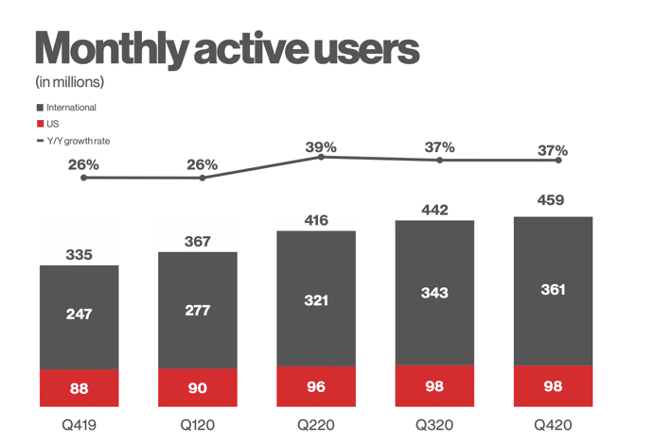
Pinterest has roughly 459 million monthly active users. 100 million of these users were gained in 2020 alone (Sehl, 2021)! Pinterest is quickly gaining more users and becoming a top platform for marketing.
Pinterest.com
2. Wider Appeal & Closing Gender Gap in Users
While women use the platform more frequently and outrank men as users by 60%, men are finally catching up! In 2020, the number of male pinners has increased by 50% (Sehl, 2021)! This makes Pinterest an ideal place for many businesses trying to reach both women and/or men.
3. Evergreen media
Pins or posts are evergreen, meaning that they continue to exist and be repined and shared continually, keeping them in the algorithm and constantly shown to users. Unlike Twitter, posts are never buried to never be seen again by new consumers.
Additionally, posts on Pinterest are not chronological, allowing pinners to make multiple pins about a subject and potentially get them in front of more consumers. This also allows marketers to test out different messaging and photos to appeal to their target segment, without irritating users too much with redundancy (Griffin, 2019).
4. Search & Discovery
Pinterest is a search engine and discovery tool itself! Pinterest allows users to search for fresh ideas and concepts to try themselves. 98% of users have tried something they found on Pinterest, and 77% have found new products and brands through Pinterest (Griffin, 2019).
5. ALL the Analytics
Pinterest lists over 20 different analytics to help measure your ROI and target the ideal segment, including monthly views, save rate, the total playtime of videos, videos plays at 95%, outbound click rate, impressions, and many more. Pinterest also includes analytics on paid and organic content. Users can decipher who their pinners are, what devices they use, and the source of pins among other data filters (Pinterest, 2021).
Pinterest is easy to use and has many tools to give marketers all the info they need to succeed. There are also many easy-to-read help articles and video demonstrations available too!
Pinterest is fun, addicting, and informative for users (in this Pinterista’s opinion!) and shouldn’t be left off of the marketing list! Happy Pinning! (Shameless plug)
I can admit it, I’m addicted to YouTube. I am an internet native Millennial after all, and only one of about 2 billion monthly users logged into YouTube (Newberry, 2021). I watch so much YouTube that I pay for YouTube Premium to filter out annoying ads before, after, and during videos. For many people, these ads are so invasive that they end up watching more paid ads than actual creator content. Because I don’t see these ads, I am unfamiliar with their content. I have, however, seen static ads on my YouTube Feed. There are also display ads around the player and in the live feed section. These ads are all paid advertising and forms of digital marketing. Even offering options to pay to skip these ads is a form of marketing!
Unfortunately, my cash toss of paying for premium YouTube doesn’t eliminate other kinds of marketing on my YouTube feed. I’m talking about the in-video ads from the creators themselves, the “sponsorships” and affiliate marketing. Sometimes I wonder if there is anyone left in the world who hasn’t heard of Hello Fresh, Surfshark VPN, and Square Space. It seems like every YouTuber I follow has had countless sponsorships from these companies. These sponsorships could count as paid advertising, peer-to-peer word of mouth buzz, or influencer marketing. I would place them at the very least, under influencer marketing.
Since I am part of the largest current generation and notorious ad skippers, millennials, we are a prime target for influencer marketing because it resonates with us (Gallagher, 2017). We prefer a peer giving us their opinion on a product rather than hearing from other older forms of marketing like traditional celebrity advertisements which we find disingenuous (Arnold, 2018).
Additionally, if you are like me, and often check out the “details” of a video after watching on a mobile device, you may notice a plethora of affiliate marketing. I have even participated in this kind of marketing myself on YouTube through an Amazon Affiliates page. It’s common for people to list a link to an item, and mention they get a small kickback if you click through or purchase the item through their link.
Though too much of any of these marketing efforts annoy me, they also work. I purchase items that YouTubers and other influencers share all of the time! I can’t even explain it… except for the fact that I’m a marketing major and I actually could explain how it works on me. That is a subject for another blog though. I’m not sure I want to explore that too deeply yet, although my wallet and my husband would likely appreciate it!
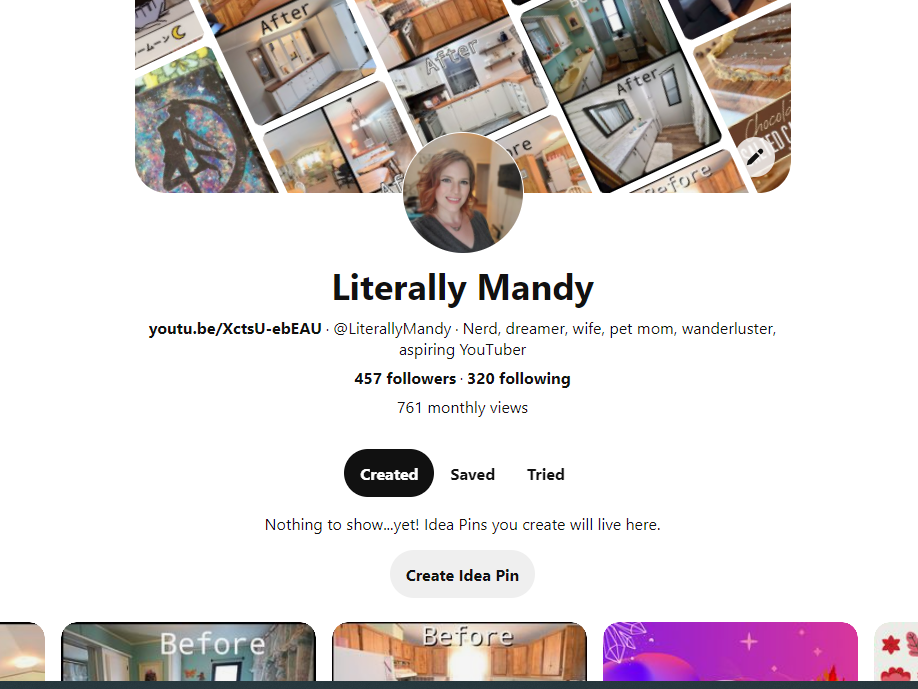
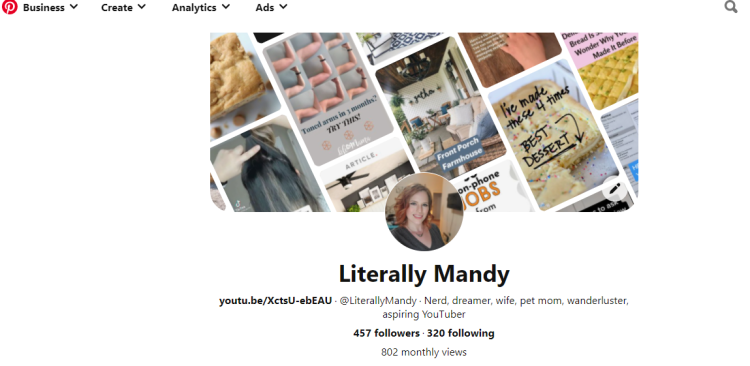
Pinterest is one of my favorite social media sites. I use Pinterest nearly daily and have pinned thousands of ideas, photos, and recipes, among other pins. According to Barnhart from Sprout Social (2021), I am not the only “Pinterista”, 42% of all women on the internet use Pinterest, and the platform has about 400 million+ users per day!
Pinterest has many different options for paid posts and analytics. Users can post crafted video clips, images, and gifs to grab the attention of other users. Users can also click right through to websites or blogs, and even purchase pages, or they can save a pin for later. These pins can be targeted to users by different demographics and psychographics letting companies or users leverage their target segment’s interests and ideals. Posts are also evergreen, so they don’t disappear from the algorithm, and people can continue to repost them by “pinning” them to their boards.
Users can also like and comment on posts, creating interaction between brands and users, or simply between users. This can also help to create brand awareness, as well as affinity. Brands can also track their monthly views, followers, impressions, saves, and clicks helping them to understand how well their strategies are working. Pins are also categorized by hashtags which helps users find certain genres of pins, like recipes or fashion. This helps to keep the pins recirculating and continuing to bring in clicks and purchases drawing consumers into a purchasing cycle (Redalkemi, 2017).
Additionally, the University of Massachusetts Dartmouth (2020), found that the largest generation, Millennials, prefer shopping on Pinterest over other social platforms and that 47% of Millennial users say they have purchased something they have pinned from the site. I have personally bought many things off of Pinterest. I am attracted to list pins, and often click through to Amazon pages. I like pins like “ Top 10 gadgets you didn’t know you needed!” I can’t seem to resist these pins, and I end up adding something to my Amazon lists at the very least, even if I don’t buy it right away. To be honest, though, I’ll probably buy it later… don’t tell my husband please, it can be our little secret!
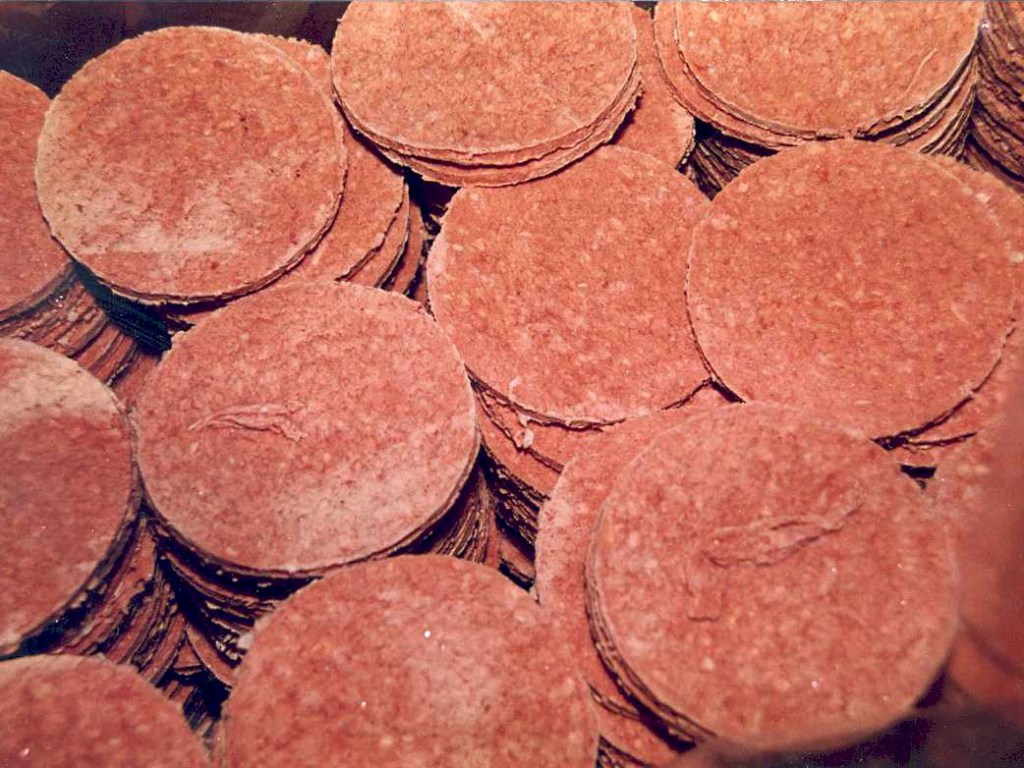
In 1993, Jack in the Box fast-food restaurant had an E-coli outbreak that spanned multiple states, harmed over 600 people, and killed at least 4 children (Murano, 2018). “In the year and a half following the outbreak, Jack in the Box lost approximately $160 million both in court and from lost sales” (Marler, The Marler Clark network 2021).
Contaminated Beef Patties from Jack in the Box (Photo from Oregon Health Authority at Outbreakmueseum.com)
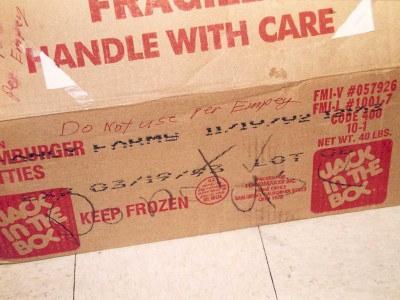
Jack in the Box lost millions of dollars by breaking consumer trust in its products. People stopped buying food at Jack in the Box and often boycotted or protested outside the restaurants, as well as outside federal offices (Murano, 2018). According to the Securities and Exchange Commission report (2021), sales went from $1,088,269 in October of 1993 down to $843,038 by October of 1994.
Box of contaminated Hamburger patties (Photo from Oregon Health Authority at Outbreakmueseum.com)
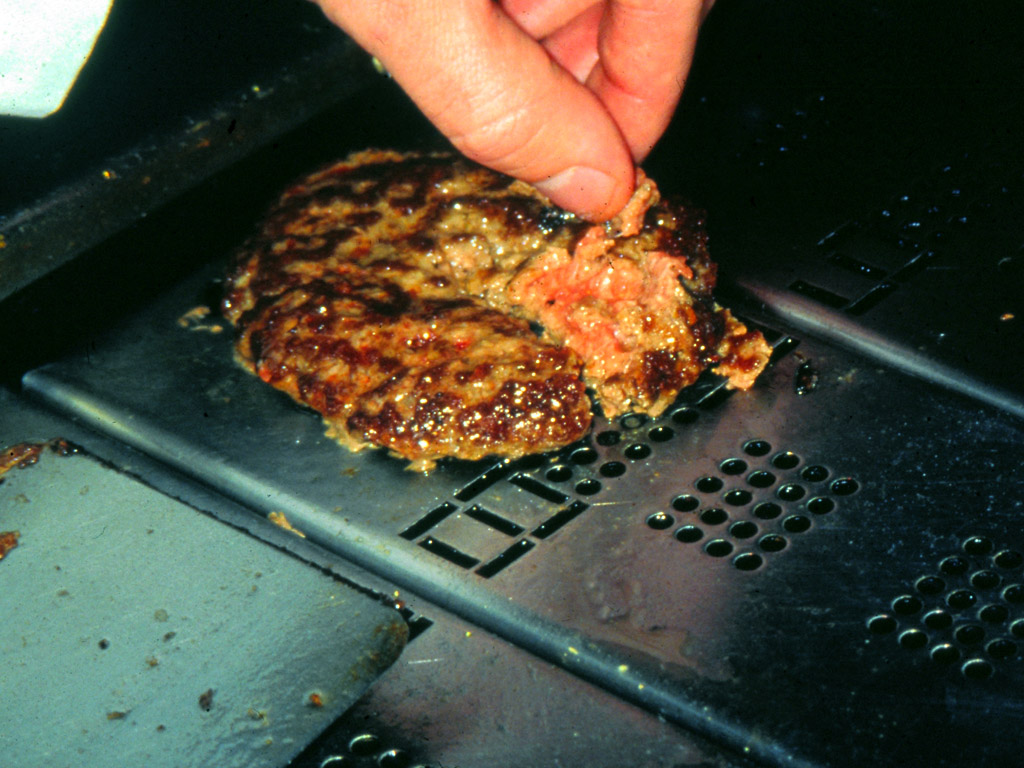
Jack in the Box adamantly denied any wrongdoing and blamed the outbreak on its suppliers. Documents found during litigation found that Jack in the Box was undercooking their hamburgers intentionally as it thought the burgers had a better texture at lower temperatures and had been warned by local health departments and by its employees that it should cease this practice (Marler Clark, 2021). After the outbreak, Jack in the Box changed many of its processes and began doing testing. “The company went from having no microbial testing at all to conducting a random test every 15 minutes” (Andrews, 2018). The company has not since had any other E.coli outbreaks thanks to these new testing procedures, laws, and regulations in the meat and restaurant industries (Andrews, 2018). Cleaning up its act has helped Jack in the Box recover its reputation.
Undercooked Jack in the Box Hamburger Patty (Photo from Oregon Health Authority at Outbreakmueseum.com)
Jack in the Box could have avoided much of these issues if it had listened to its employees and local health officials about cooking the burgers to the proper temperature. Unfortunately, Jack in the Box prioritized profits over people in this instance. Jack in the Box should have had mitigation techniques in place instead of waiting until a crisis appeared. Jack in the Box should have been performing quality checks and constantly improving its standards. Jack in the Box has been lucky that it regained consumer trust so quickly by implementing the techniques it should have already had.
Hamburgers on the griddle at Jack in the Box with a box of raw patties in view ( (Photo from Oregon Health Authority at Outbreakmueseum.com)
Although it would not take responsibility for the outbreak, Jack in the Box did agree to alter its cooking and testing procedures. It also agreed to pay the hospital bills of anyone who had eaten at the restaurant resulting in E. Coli poisoning (U.S. Department of Defense, 2021). According to Jack in the Box (2021), “Our food quality and safety program has been recognized as one of the most comprehensive systems in the industry. In 2004, Jack in the Box received the Black Pearl Award from the International Association for Food Protection and the NSF International Food Safety Leadership Award for outstanding food-safety achievements.” It seems the company has recovered by changing its ways and maintaining a clean record since the 1993 incident, now boasting a net earning of 50.9 million dollars in the first quarter of the 2021 fiscal year (Jack in the Box, 2021).
Murano, E., Cross, H., & Riggs, P. (2018, September 19). The outbreak that changed meat and poultry inspection systems worldwide. Retrieved April 03, 2021, from https://www.ncbi.nlm.nih.gov/pmc/articles/PMC6951920/
Securities and Exchange Commission. (2021). Annual Report on Jack in the Box. Retrieved 2021.
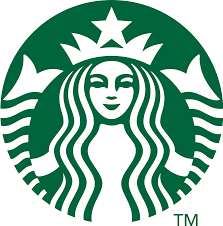
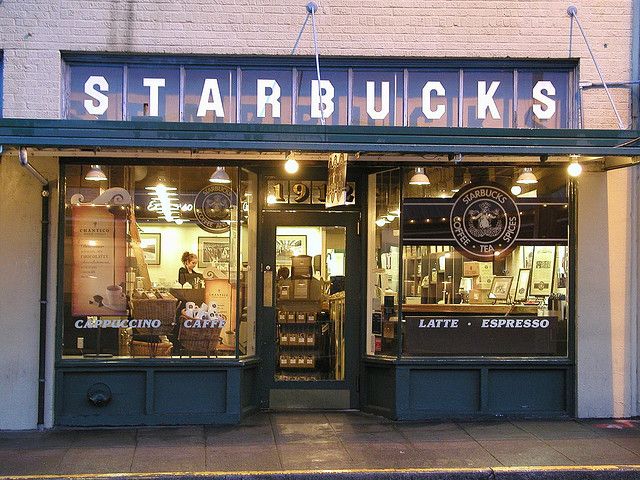
We’re not the first person to ask this question. Starbucks’ (2021) brand mission is “To inspire and nurture the human spirit – one person, one cup and one neighborhood at a time. Despite being a wildly successful brand with revenue of over 6.19 billion in 2019, the Starbucks logo does not immediately convey the values or mission of the brand. In fact, many people are confused about what the logo is, a twin-tailed mermaid, and what it represents. Starbucks itself realized this issue and wrote a blog about its logo in 2016 where it explained who the siren is.
Starbucks’s name is a reference from the novel, Moby Dick. Then, the founders were attracted to a photo of a Norse woodcutting of a twin-tailed siren from an old marine book and decided to use a similar image as their logo. San Francisco, the Starbucks headquarters and founding city is also a port city and coffee often travels across the ocean (Flandreau, 2016). These factors helped to shape the logo and the branding of Starbucks.
Creative Director Steve Murray says “It’s definitely about coffee but it’s about a lot more than coffee. It’s about…being good to people, being good to the world.” This may not have been immediately apparent to consumers, which is why Starbucks initially had “Starbuck, Coffee, Tea, Spices,” on its brown logo until 1992 when they reduced it to just “Starbucks, and “coffee,” and changed the logo to a green shade. In 2011, a rebrand took the words off of the logo leaving just the now-iconic siren.
Starbucks took a large risk in building their brand with other factors like quality, excellence in service, supply chain care, employee benefits, commitment to sustainability, and ambiance in their shops (Starbucks, 2020). Based on the logo alone, Starbucks may have failed in initial branding, but they got one thing right, brand recognition. Wheeler (2019) states, “Brand awareness and recognition are facilitated by a visual identity that is easy to remember and immediately recognizable. Visual identity triggers perceptions and unlocks associations of the brand.” Starbucks took a chance with a unique and memorable logo, but in the end, it became very iconic and representative of its brand.
Starbucks could have chosen to use a descriptive name as Wheeler (2019) suggests. This would have told consumers immediately what the company does or produces. This method of branding would also help new consumers who may not yet be familiar with the brand, to understand the brand’s intent. Starbucks, alternatively, was named after a character in a novel and initially, Starbucks had to add its industry wording to its logo until its brand became recognizable enough. Starbucks did employ another one of Wheeler’s (2019) recommendations to make its name unique, easy to say, and spell. The name has no “magic” spelling and is nearly phonetic. This ensures consumers can remember the name as well as easily research it if necessary.
While Starbucks didn’t completely fail at its logo, it did take some unconventional liberties by not representing its product with a pictorial element of the product itself. Starbucks was lucky that its other branding was so strong, as they now have an iconic logo and highly recognizable brand, partially due to their unique and easy-to-remember name and color, as well as their well-known values.
Wheeler, A. (2018). Designing brand identity an essential guide for the whole branding team. In Designing brand identity an essential guide for the whole branding team (5th ed., p. 140). Hoboken, NJ: Wiley.
Since 2014 mobile internet usage has surpassed desktop internet usage, and this number is still on the rise today (Dodson, 2016). The mobile audience is very large and always expanding. 67.04 % of the entire world’s population own mobile phones (Turner, 2021). This is an excellent opportunity to reach a large number of people very quickly. This also allows marketers to target a specific demographic and reach them directly, making marketing easier. As an added benefit, mobile marketing is often cheaper than other forms of marketing too (Dodson, 2016). This fact alone makes it a worthwhile avenue to pursue!
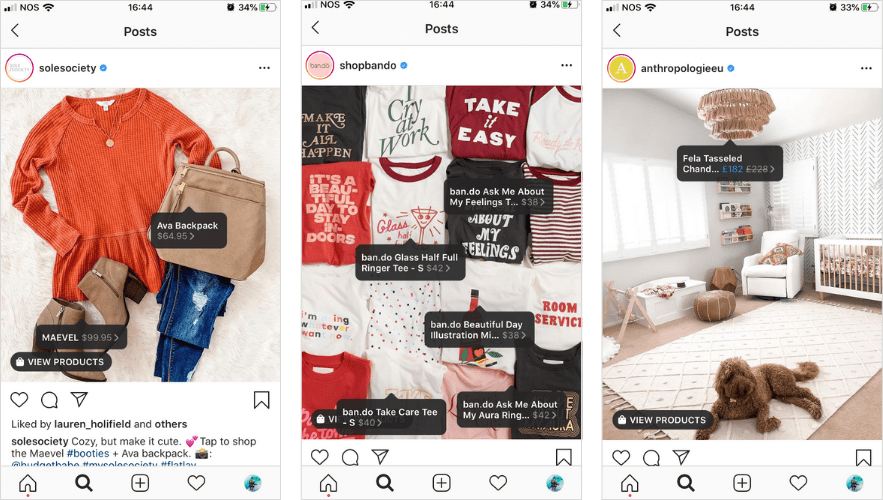
Instagram and other social media websites are integrating e-commerce into their apps. Instagram itself has over 1 billion monthly active users and is growing among adults (Sriram, 2020). These social sites are wildly popular among the world’s population and already have a built-in audience reach. The apps are also offering solutions to businesses as integrated technologies for organizations that can multitask for them. Some of these technologies include shipping, POS, inventory, and reports along with shoppable ads. These shoppable ads give organizations a competitive advantage and reach consumers where they are spending a majority of their time online already (Rainer, 2016). Additionally, shoppable ads make utilizing influencers a breeze.
Micro-influencers
Speaking of influencers, micro-influencers are the future. We know that Millennials have always been fond of influencers in general, but they are also fine with hearing from their friends, acquaintances, and less popular influencers (Morrison, 2014). Micro-Influencers are someone with a medium following such as 10k to 30k followers. These people offer a more genuine feel since their posts are usually less full of sponsorships and ads. These people can interact with others by responding to posts more frequently and having higher follower engagement rates (Sriram, 2020). This is something the largest generation, Millennials, loves! Millennials are not the only generation to respond to genuine interaction though. Baby Boomers and Gen X also appreciate authentic online relationships between brands and consumers (Wiley, 2020). So, don’t discount any generation when it comes to micro-influencers!
References
Dodson, I. (2016). The art of digital marketing: The definitive guide to creating strategic, targeted, and measurable online campaigns. Hoboken, NJ: John Wiley & Sons.
Rainer, R. K., & Prince, B. (2016). Introduction to information systems: Supporting and transforming business (7th ed.). Hoboken, NJ: John Wiley & Sons.
“P&G products have made a name for themselves by combining “what’s needed” with “what’s possible”—making laundry rooms, living rooms, bedrooms, kitchens, nurseries, and bathrooms a little more enjoyable for over 181 years” (Proctor & Gamble, 2020). This motto spells out P&G’s objectives of solving personal upkeep issues and constant innovation. The research I have conducted has concluded that Millennials are the largest generation currently alive, making them a large group with many needs (Fry, 2020). As an information generation, Millennials are continuously researching new ways to improve and maintain themselves and their surroundings while using new technology. They especially appreciate companies that are socially and ethically conscious and that care about people and the world we live in (Delta Intellicom, 2015). I feel that targeting this generation will help P&G continue to solve problems for people and innovate new ideas.
Trends
Technological advances and product innovations have led to a higher demand for skincare products. Researchers have seen increased usage of sunblock, anti-tan, and anti-aging creams creating growth in the self-care market (Grandview Research, 2019). Due to these developments, people are more conscious about hygiene, health, and beauty. Highly tech-savvy Millennials are even more aware of these advances and have jumped into following the advice of researchers about self-care and specifically skincare. The increased interest is at least partly due to skincare being highly popular among online influencers whom Millennials follow and trust (Grogan, 2019).
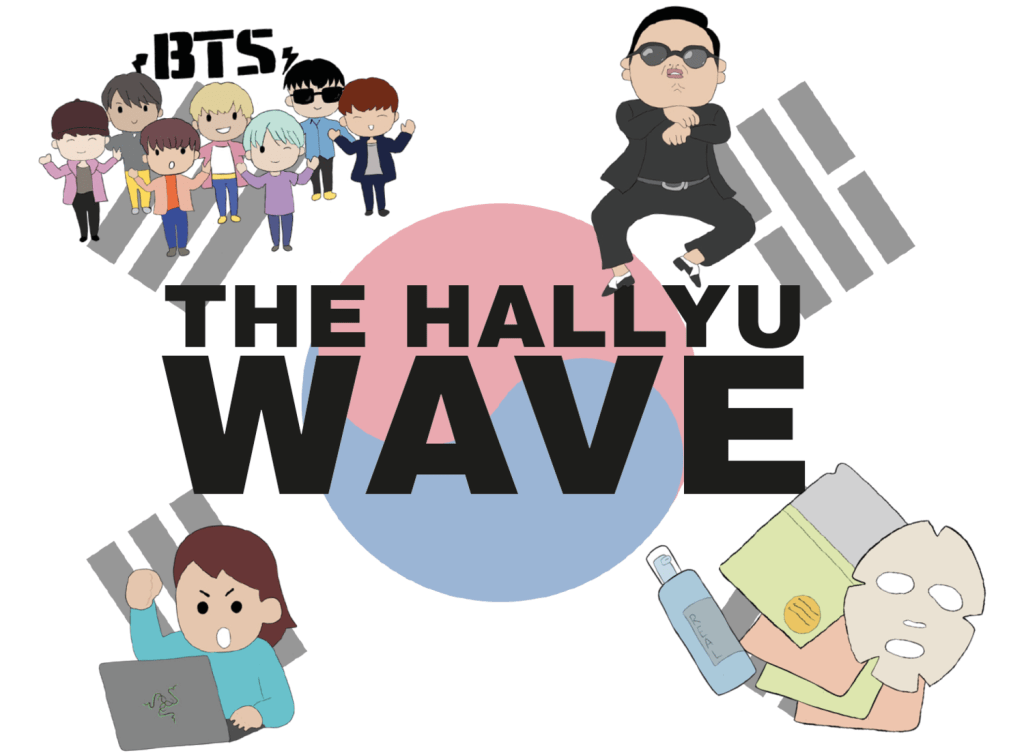
‘Korean Wave” by Huy Huynh at the Medium
Thanks to “Hallyu,” or the ‘Korean Wave,” being rejuvenated by social media and YouTube, Korean skincare (K-beauty) has become extremely popular in the last few years and will continue to grow (Grogan, 2019). P&G plans to ride this wave with the chosen segment, Millennials, as they age. Gaining loyalty now means the brand can grow with the consumer and change as their needs change and grow. Staying relevant will help the company continue to innovate and meet public demand.
Social media is vitally important to Millennials and they trust a peer review over other traditional marketing tactics (Berthiaume, 2019). Due to this trend in beauty of social media and influencers recommending and reviewing products, this medium will be a key component of the brand’s marketing approach. New platforms like TikTok and Instagram are always providing new opportunities and providing new places to inform consumers or to sell products. Social media also allows consumers to reach out and communicate with companies and build relationships with brands. These connections help in the post-purchase behavior actions of consumers and encourage positive brand positioning for P&G.
by stayrelevant.info
Marketing Strategy, Legal, Ethical, and Industry Standards
One way P&G’s marketing strategy aligns with legal, ethical, and industry standards is by verifying that the products are truly ethically sourced, recyclable, safe, vegan, and cruelty-free if it is going to use any of those designations on the packaging or for promotions. Additionally, Millennials are highly sensitive to ethical, social, and transparency issues, so this will be a vital issue for P&G’s marketing strategy. The tech knowledge of this segment will quickly lead to exposure of any untoward actions. Since social media and targeting Millennials are large components of the marketing strategy for this product line, online reputation is paramount to its success. P&G must remain transparent, genuine, and ethical to maintain industry standards. These issues could also be an opportunity for the brand to shine, as many brands are only starting to take a public stance on this critical problem. A clear position on this matter could be a selling point to the segment as well.
Limitations
The only foreseen limitations are finding suppliers that supply ethical, low cost, high-quality ingredients for the brand. This issue is imperative to the brand’s mission to stay transparent and provide what has been promised through the new skincare product line. This problem is not an issue due to lack of research, but rather an issue in finding suppliers that meet those criteria. These kinds of suppliers exist but are harder to procure and may be outside of the United States. More research is needed to find and procure those suppliers. This process is an integral part of this product line and the objectives of P&G in meeting the demand needs and wants of the consumers in staying ethical and transparent.
Berthiaume, D. (219). Study: How much influence do online influencers have? Retrieved September 22, 2020, from https://chainstoreage.com/technology/study- how-much-influence-do-online-influencers-have
I have chosen Proctor and Gamble as the parent company of my product’s brand. It appears that P&G is the umbrella company over more than sixty other brands. P&G is a trusted and established company with one hundred and eighty-one years of experience in the world of self, family, and home care products. P&G’s motto is “P&G products have made a name for themselves by combining “what’s needed” with “what’s possible”—making laundry rooms, living rooms, bedrooms, kitchens, nurseries, and bathrooms a little more enjoyable for over 181 years” (Proctor & Gamble, 2020).
The P&G motto promotes innovation and problem solving for people’s personal needs. This motto falls in line with the idea for my product, an affordable, easy, and high-quality skincare line for on-the-go young adults. This company likes to put people first and innovates to reach their goals. For these reasons, P&G will be a perfect match for my products.
Research Objectives:
Conduct analysis of whether young adults consider using a skincare product of any type
Understand how many steps in a skincare routine is too many
Assess how many other affordable AND high-quality brands are present in the market
These objectives will help us to understand what our chosen segment wants or may be lacking. To further analyze the situation, I will use a Descriptive research design using primary data. This strategy will give researchers an idea of the exact segment to target, a look at the competition, and how consumers are willing to use a product (Babin, B. J., 2019).
During primary research, we will reach out to current consumers in the proposed segment for other P&G products, and conduct surveys through social media, email lists and other mobile contact points. This strategy will cut down on both costs and time running the surveys since social media is a nearly free or low cost, and the internet helps get the message and replies out quickly. This plan will aid in quicker data analysis, and the ability to conduct multiple surveys as trials progress.
Citations
Babin, B. J. (2019). Essentials of marketing research.
A new trend of being ethically sourced, sustainable, or “green” is appearing in every sector. Is it real? Or are companies cashing in? I can’t say for sure.
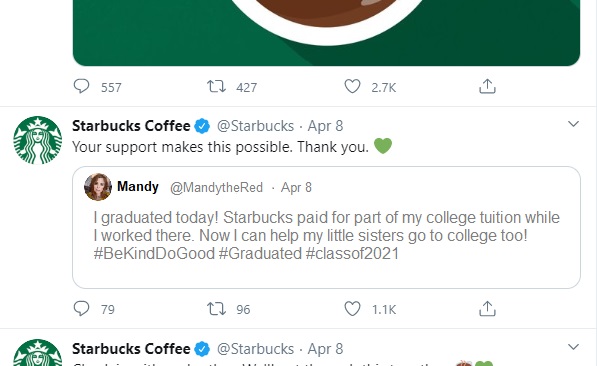
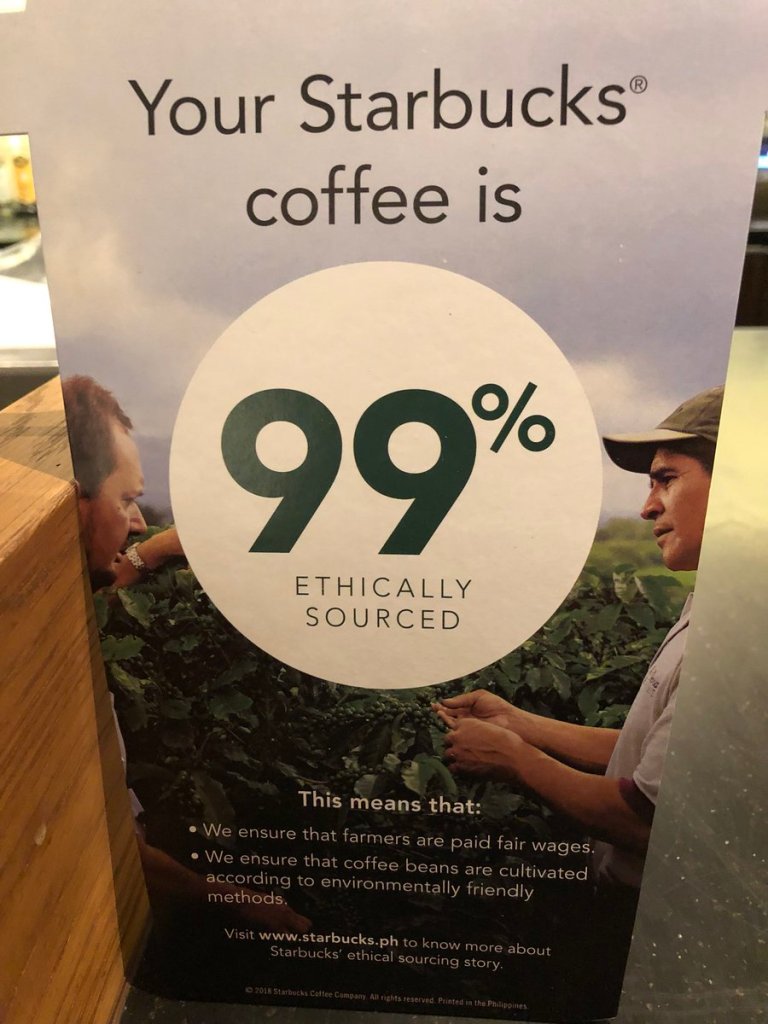
Starbucks appears to be a surprisingly ethical and socially conscious brand. Although Starbucks’ pricing is not known as cheap, at least part of their reasoning is due to its ethical standards. Starbucks demands that their supply chain is paid fairly and refuses to do business with companies that do not abide by this rule. Starbucks aims to make a profit, but social responsibility and lasting enrichment of humans are also vital to their values. In fact, the Starbucks motto is “Inspiring and nurturing the human spirit — one person, one cup, and one neighborhood at a time,” (Starbucks., 2020). . They also use their Instagram to speak about current events like the COVID-19 pandemic. If you look through their social media their posts are all poignant to the rough times we’re all living in, “We’re in this together. Caring for our community is our top priority…” and “Things are changing but we’re still here for you,” (Starbucks Instagram, 2020). Starbucks also supports its employees with high pay, good benefits, and opportunities for growth with schooling reimbursement (Starbucks, 2020.
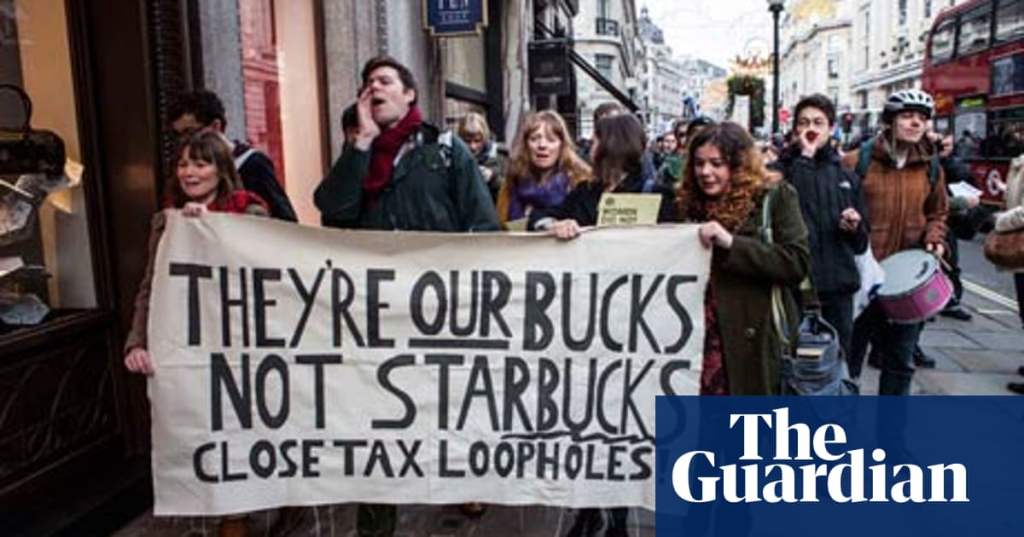
After some research, I did find some startling information that although Starbucks supply chain rules are stricter than many other companies, there is still room for improvement. “The coffee chain’s social responsibility document contained adequate clauses on discrimination, freedom of association, and forced labour. However, the policy only stated that the legal minimum wage must be paid rather than a living wage,” (Ethical Consumer Research Association Ltd, 2020). From the same website, there have also been some disturbing claims about tax evasion, which seems to be rather “trendy” right now. (Google Bob Brockman and our 45th President for funsies!)
I am more dubious of Starbucks. I’m not sure that they are only “green for profit,” but some of their actions are very suspect. This research does make me more inclined to research companies more in-depth than I thought I needed to do previously. Honestly, it’s disappointing. I’m a huge coffee fan, and after some other marketing classes, I thought that Starbucks was better than this. I guess not. If they are truly ‘for the people” as they claim, than some things will need to change.