Top Dog Vs the Under Dog

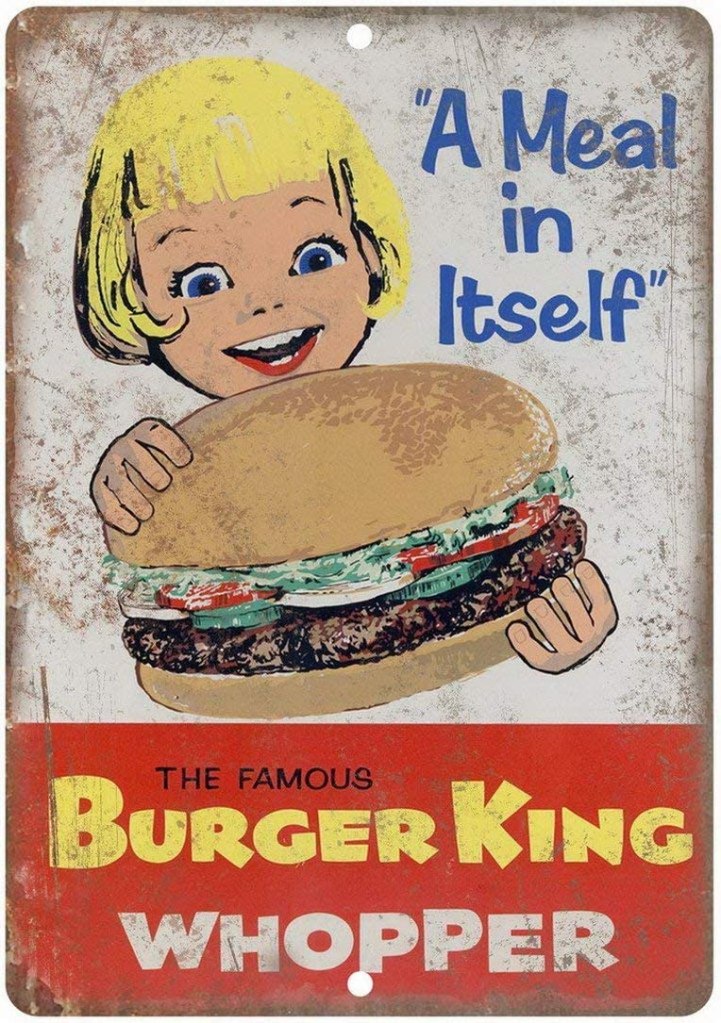
McDonald’s and Burger King’s rivalry has been raging since the mid-1950s. The original McDonalds concept was conceived in 1948 by the McDonald brothers, who rebranded their hot dog stand to be more concentrated and efficient (McDonald’sCorporation, 1998).  Inspired by McDonald’s’ efficiency, Burger King’s founders decided to make a similar restaurant in 1953, Burger King. (Burger King Corporation., 2020).  
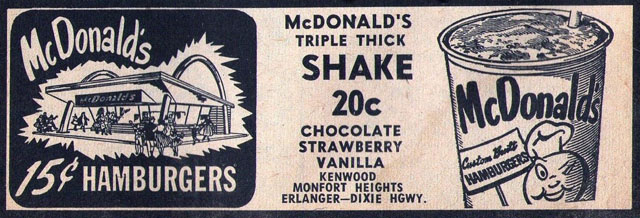
            McDonald’s is the obvious ”top dog’ in this rivalry since they came first chronologically and invented the efficient, small menu, quick-serve restaurant idea. When it comes to branding strategy, McDonald’s uses the “proactive strategy.” McDonald’s is constantly innovating new menu items and reinventing their brand and positioning. This strategy is apparent in their ads for new menu items across the world, like this ad from McDonald’s Japan.
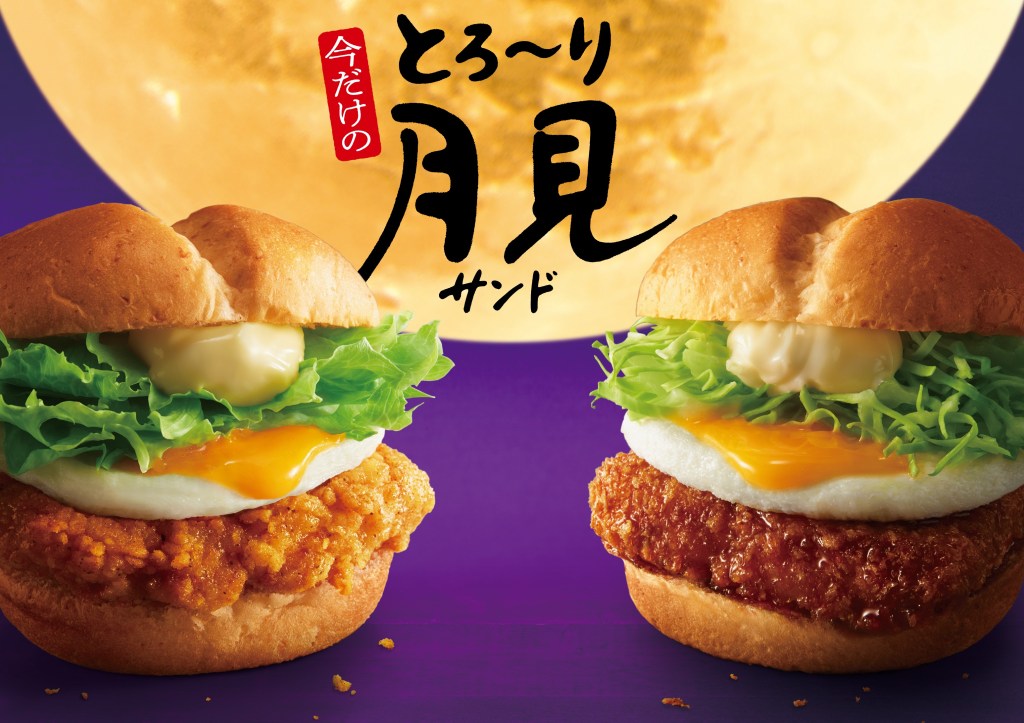
Tsukimi is a fall festival where people view the first Autumn harvest moon with family and friends. It is a popular holiday in Japan and is similar to Thanksgiving in the United States (Nippon Communications Foundation, 2020). McDonald’s created this regional menu specifically for Japan that highlights the culture of the people there. McDonald’s chose to develop or rejuvenate these products for an existing market of users in Japan, and possibly to penetrate new markets of Japanese people who may not have been familiar with McDonald’s. 

Though Burger King may have initially been using the reactive strategy in competition with McDonald’s, it seems the company has switched to a proactive approach in researching new markets and focusing on brand positioning. One concept they employ is reaching out to Millennials and Generation Z segments through tech and culture. They are also utilizing new tech likes apps and social media to reposition their brand as a hip alternative to McDonald’s.
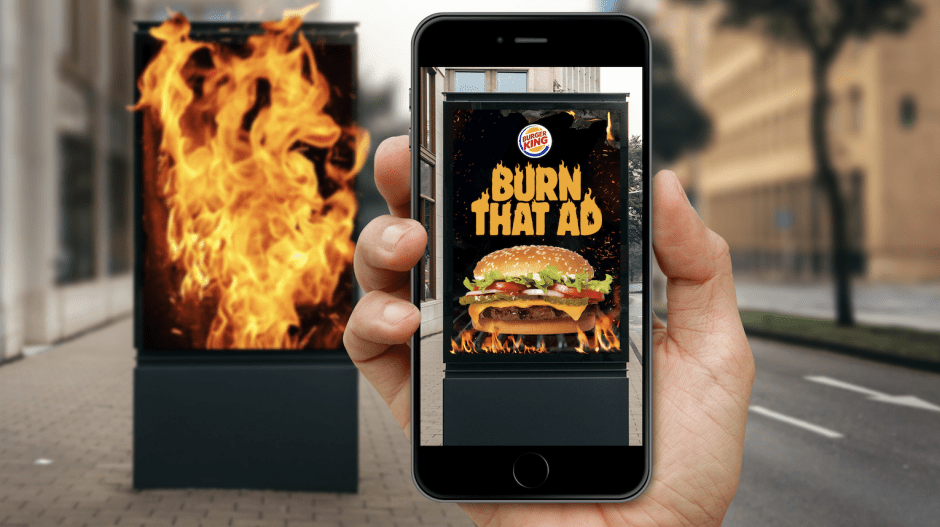
Burger King appears to have a good grasp on rebranding and may already be on their way to surpassing McDonald’s. Here are a few recommendations that may help.

  •             Brand equity management- Burger King often takes the number 2 spot in people’s minds, and Burger will need to change that by establishing a strong brand identity. They are shedding the weird “Burger thief” identity and trying to move into a relevant and hipper concept for younger generations. McDonald’s, from the beginning, tried to focus on the ‘family” segment rather than young people. Burger King may be able to sweep in and grab this segment by being culturally relevant and ‘real,” as these segments specifically appreciate (Igielnik, 2020). Burger Kinds should show these segments who and what they are about through identity and meaning (Cline, T. W., Cronley, M. L., Kardes, F. R., 2015). This concept will help them resonate with their desired new segments.
  •             According to Consumer Behavior by Cline, T. W., Cronley, M. L., Kardes, and F. R., “Underdogs need to disrupt the status quo.” Burger King needs to challenge their consumers to change their mindset about Burger King being only second best in the burger game. Burger King should concentrate on making their products better than McDonald’s and then having consumers try a blind taste test. This plan could integrate well with their current social media and tech strategies.
  •             Retention is another area that Burger King can improve their strategies. Loyalty programs can help consumers continue to purchase from a company and can create loyalty to that company (Cline, T. W., Cronley, M. L., Kardes, F. R. (2015). Although they have created an app recently with some perks, I think this could expand to include other companies as collaborators (Koltun, N., 2019). For instance, joining with Android, or Apple, or other companies that their target segments often use could bring them new customers as well as help them to retain their current customer base. 
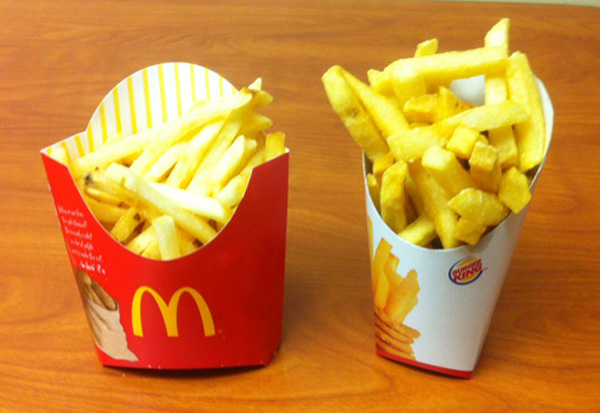
 It may be that McDonald’s is the originator of the counter service concept, or it may just be that the french fries are simply better at McDonald’s. I can’t say for sure why they are known as the “Top Dog,” in the fast-food burger industry. I agree that the fries are better at McDonald’s. Secondly, I think there have always been more McDonalds’ in the places I have lived. Ironically, my Mom worked at Burger King as a teenager, and prefers Burger King! I was just never very impressed with their food, although I don’t eat at either place anymore, as a foodie, and food snob! I may give Burger King a try though, as their new positioning efforts are fascinating and I like that they are targeting my segment!

Citations

Burger King Corporation. (2020) International Directory of Company Histories.Retrieved August 11, 2020, from Encyclopedia.com: https://www.encyclopedia.com/books/politics-and-business-magazines/burger-king-corporation

Cline, T. W., Cronley, M. L., Kardes, F. R. (2015). Consumer Behavior. [MBS Direct]. Retrieved from https://mbsdirect.vitalsource.com/#/books/9781305161689/

Igielnik, K. (2020, May 15). What We Know About Gen Z So Far. Retrieved October 02, 2020, from https://www.pewsocialtrends.org/essay/on-the-cusp-of-adulthood-and-facing-an-uncertain-future-what-we-know-about-gen-z-so-far/

Koltun, N. (2019, December 09). Marketer of the Year: Burger King. Retrieved October 02, 2020, from https://www.mobilemarketer.com/news/burger-king-mobile-marketer-awards/566220/

McDonald’s Corporation. (1998, July 4). Restaurant Innovator Richard McDonald Dies at 89: Pioneered McDonald’s, World’s Largest Restaurant System [Press release]. Retrieved October 2, 2020, from https://www.hotel-online.com/News/PressReleases1998_3rd/July98_DickMcDonald.html

Nippon Communications Foundation. (2020, May 30). “Tsukimi”: The Japanese Tradition of Autumn Moon Viewing. Retrieved October 02, 2020, from https://www.nippon.com/en/features/jg00115/

Under Armour: Where Do We Go From Here?

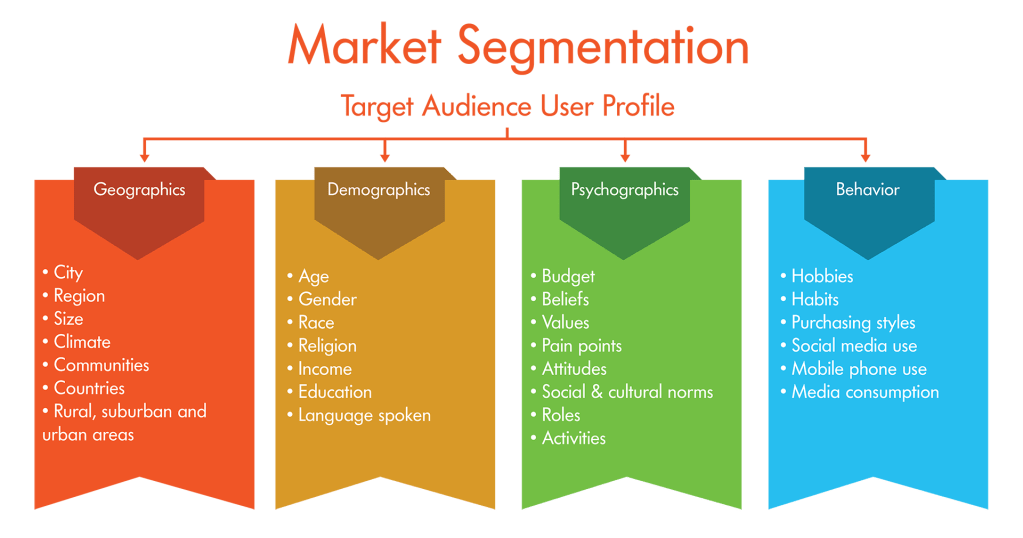
In the Under Armour case study there are a few different market segments mentioned. Under Armour used demographic segmentations to analyze male vs. female consumers. Under Armour used demographics in analyzing the fact that out of their $2.3 Billion in sales, only $500 Million was from their women’s apparel line (University of Virginia, 2016). 

        The “I Will What I Want” campaign raised the sales of the Under Armour women’s line by 28% (University of Virginia, 2016)! In this successfully launched campaign for women, Under Armour looked at psychographic segmentation. In psychographic segmentation, companies look at the personality, interests, and opinions of consumers (Hill, 2018). Under Armour realized that women were facing adversity in athletics and used that to their advantage in highlighting non-traditional women athletes that women could hopefully relate with. This campaign was a winning segmentation strategy as it brought wide attention to the brand through various sources of media and possibly changed the positioning females had of the brand as a “hardcore serious male athlete only,” brand, changing it into a more casual and female-friendly brand. 

  Under Armour also looked at psychographics when gearing their lines toward consumers with an interest in athletics and exercise. Under Armour also considered the casual athlete and created a line of athleisure wear that could appeal to a broader audience, again changing positioning in consumers’ minds that anyone could wear their yoga pants or “runner style” tennis shoes even if they weren’t a serious athlete, yogi, or runner.

Key points to remember when implementing segmentation strategies:

  • Consider your current consumers, and who you else might want to target and why.
  • Create a buyer persona that helps you envision the consumers you want to attract-what are their needs and wants, and how can you satisfy them?
  • Marketers should examine and implement multiple approaches to segmentation instead of focusing on only one basis. Consumers are multifaceted!
  • How is your product positioned in the consumer’s mind, and how can you change or enforce that assumption?
  • Segmentation can create better brand retention and brand loyalty (cline, 2018).

Escapism and “Cottagecore”

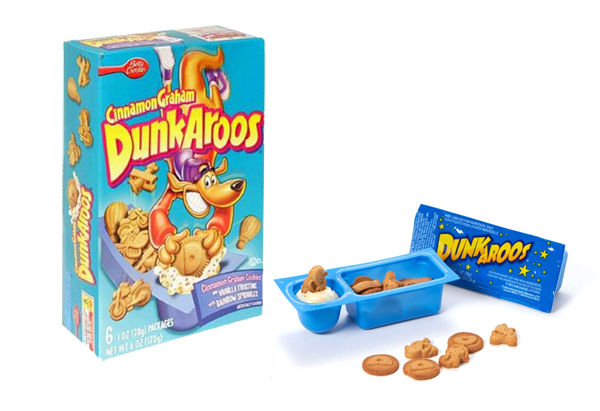
A segment I have noticed as of late is a group looking for escapism from our current pandemic plight. I often see this in millennials looking for nostalgia that can create a few moments of joy for them and help a person forget about the negativity of our current situation. You might see this in retro packaging or even retro product comebacks, like “Dunkaroos.” There are many different subcultures created around escapism currently.

Cottagecore Elements:

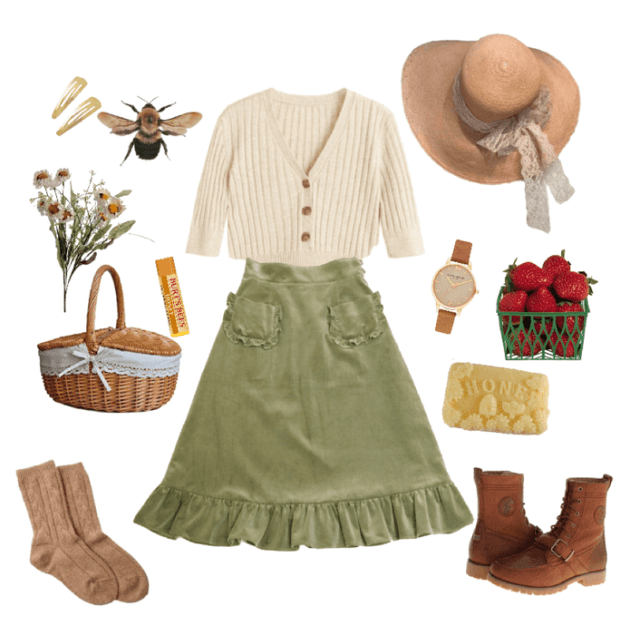
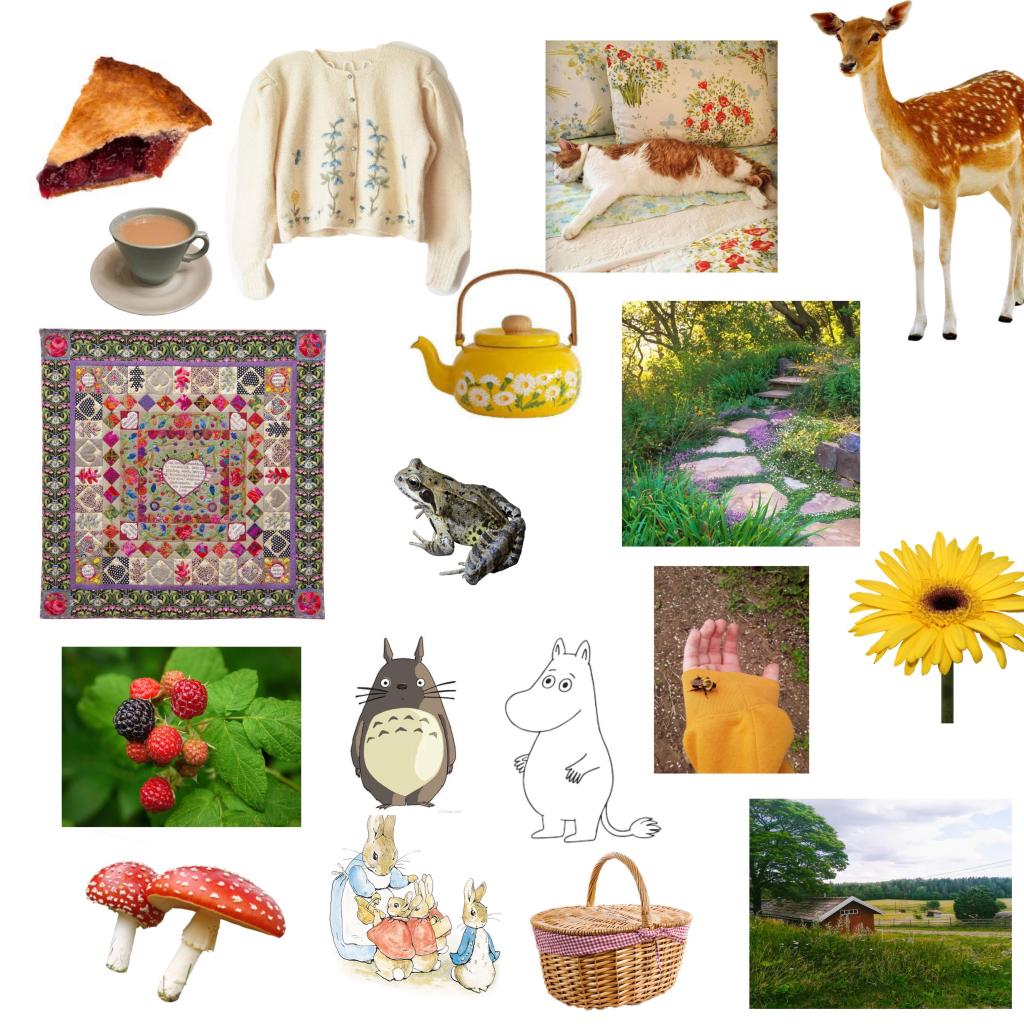
  I also see this in the subculture of “Cottagecore.” “Cottagecore” is a style one might see on Pinterest or other social media sites as mood boards or memes. This “aesthetic” of cottage core is like living in a cottage in a Miyazaki movie far from the hustle and bustle of a large city and generally far from technology. Cottage core lifestyles might include baking bread and needlepoint, or gardening. Dwellings or rooms are designed to look like a little English cottage in the woods filled with handmade items, teapots, books, and fairy lights or candles. These “Cottagecore” enthusiasts might not actually be living this style of life, but imagine and curate it online, as if they might.

        This psychographic segment might be beneficial for any company looking to fill a niche but growing market. To reach this market, I would consider the demographics of this group, see where they are shopping, what their income is, etc., look at their psychographics, and then create a line of décor for them based on these results. As an example, this culture appreciates handcrafted things, so craft stores might be a great place to place this product line. One could look at geographic segmentation as well, concentrating on areas that are known as artsy, or alternative cultured, like Austin, Texas, or Portland, Oregon.

Sources:

Cline, T. W., Cronley, M. L., Kardes, F. R. (2015). Consumer Behavior. [MBS Direct]. Retrieved from https://mbsdirect.vitalsource.com/#/books/9781305161689/

Hill, C. (2018, October 25). 4 Segmentation Strategies to Help Target Customers: VeraCentra Blog. Retrieved September 11, 2020, from https://www.veracentra.com/blog/four-segmentation-strategies/

University of Virginia. (2016, July 27). Under Armour’s Willful Digital Moves [PDF]. Charlottsville: Darden Business Publishing.

Confessions of an Amazon 2-Day Delivery Addict:

What type of Consumer are you?

What is a “consumer”? From Dictionary.com:

Consumer


noun

  1. a person or thing that consumes.
  2. Economics. a person or organization that uses a commodity or service.
  3. Ecology. an organism, usually an animal, that feeds on plants or other animals.

In the context of marketing, the subject of this blog, the economic definition comes the closest to our needs, but we can dive deeper.

“The term “consumer” can describe either individual or organizational consumers” (Cline, F.K.M.C. 2020). Individual consumers are consuming for themselves, fulfilling their personal needs, or the needs of others. This kind of consumer operates on a smaller scale than organizational consumers, who are consuming to meet the needs of their organization, reselling to individual consumers, or making other goods or services from consumed items. (Cline, F.K.M.C. 2020).

  I am an individual consumer now, but I have been an organizational consumer in the past when I owned a small store. As an individual consumer, I purchase items for myself, my family, and friends. As an organizational consumer, I consumed products to help run my store or bought commodities to re-sell. These types of consumers are similar but may have different motivations or needs.  

What Influences Buying Decisions?

        A variety of factors go into buying decisions such as social, cultural, personal, and psychological factors (Cline, F.K.M.C. 2020) For me, it generally goes something like this:

  1. What issue am I trying to solve? Is it bothering me enough for me to do something about it?
  2. How much money am I willing to spend?
  3. Does this item need to be attractive? Will anyone see it? Do I care?
  4.  How long do I expect this item to last?

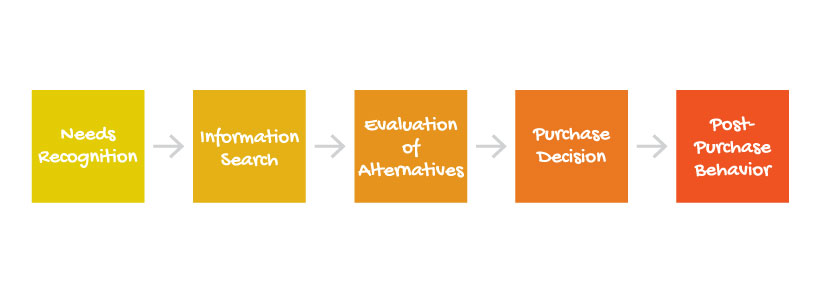
The Buying Process- 5 Stages

  1. Needs Recognition: What’s the problem or need?
  2. Information Search: Looking up different product specs, asking friends or family, window shopping, looking up reviews.
  3. Evaluating Alternatives: Decide on your “must-have” criteria, looking at other options or recommendations of similar products, deciding how much you are willing to pay. 
  4. Purchase Decision: Decide what you are purchasing, when, where, and how you will purchase the item.
  5. Post-Purchase Behavior: You’re happy with the purchase, perhaps you buy another in a different color or upgraded style, or you return the item, sell the item, give it away, or throw it in the garbage. This reaction comes from the level of satisfaction with the item or service.

        I tend to spend copious amounts of time in the 2nd and 3rd  stages of the consumer buying process researching items and alternatives. Reviews on Amazon or YouTube are imperative for my selection process. I trust other consumers, especially large cross-sections of consumers. These two stages generally lead to my final purchase. Spending time in these stages usually keeps me from being unhappy in the 5th stage of “Post Purchase Behavior.”   

Oooooh! Shiny!

Marketing Research and Marketing Design

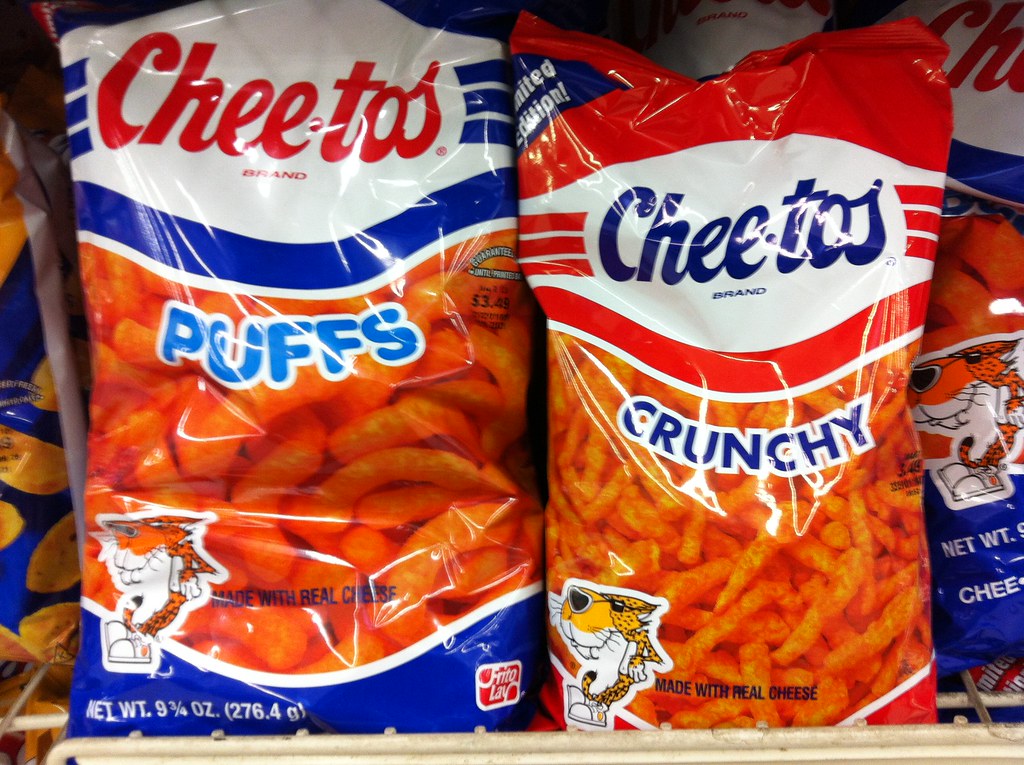
Marketing Research and Marketing Design are highly influential in the purchases we make. I am a sucker for beautiful and sleek packaging, personally. A beautiful package will help me choose one product over another if everything else is equivalent. I also LOVE a call back to something nostalgic, like the original packaging a product had when I was a child (Doritos, Cheetos), or even a come back of the product itself, like Dunkaroos snacks returning to store shelves recently! Retro packaging has made a serious return. This “Retro-stalgia,” is a trend it seems marketers have picked up on for targeting my segment of millennials.

Post Purchase Behavior- Do I even like this?

There is a wide range of feelings one might have after purchasing an item. They might be satisfied, not satisfied, or even delighted based on how the purchase met their expectations (Cline, F.K.M.C. 2020).

        I have felt regret after making a purchase. Sometimes this happens once I have an item in hand (if ordering online) or later after the purchase has failed in some way. Luckily, I am often delighted, as I usually spend so much time researching before I even make purchases. Products meeting my expectations and surpassing them leaves room for making me into a loyal, returning customer who will likely blog somewhere on the internet about said purchase and tell all my friends about it. I love doing Google reviews on restaurants and will share them with friends and family too! So, as a consumer, I have experienced the full range of post-purchase behavior!


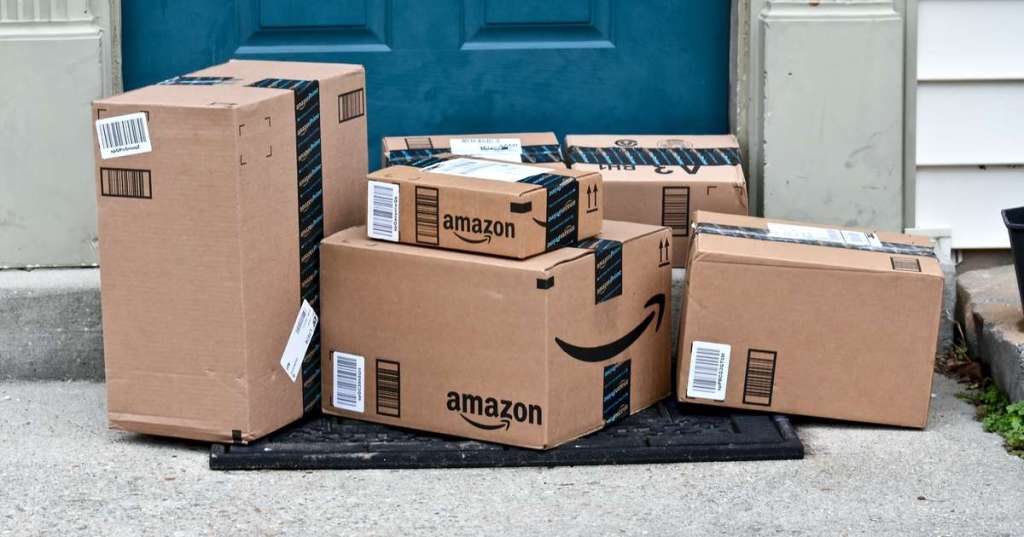
To my husband’s great regret, it doesn’t look like I’ll stop buying lots of things any time soon! Got to go, I think I heard the doorbell…  

Citations

Cline, T. W., Cronley, M. L., Kardes, F. R. (2015). Consumer Behavior. [MBS Direct]. Retrieved from https://mbsdirect.vitalsource.com/#/books/9781305161689/

Tell me what you want, what you really really want!

In the immortal words of the Spice Girls, “Tell me what you want, what you really really want!” Firms often struggle to know exactly what their consumers want and need, and social media influencers can help companies get those answers! Social media influencers often get a bad rap as fake, boujie, entitled, spoiled brats, but this does not represent all of them! I like and follow a few influencers myself.  First, I think it’s helpful to find people who are like you to follow on social media. The right influencer can help introduce you to products, hobbies or even lifestyles that you can benefit from.

Sierra Schultzzie

            One influencer I follow is a young woman named Sierra Schultzzie. I like, and follow her because she is down to earth, all about body positivity and kindness. While she is younger than me, we are in similar stages of life. She is married, has a house and is looking to start a family. She also has many of the same interests I do and has a similar personality type. She is kind, empathetic, and just trying to do the best she can in life. Because of these attributes, I trust her opinions! Watching her is like talking to a trusted friend. 

            As a marketing student, I have noticed that influencers are all the rage in the marketing world! This was likely an unexpected turn for marketers. This industry is changing by the minute! Influencers can often be a low-cost way to reach your exact target market! Not only is it not generally very expensive but the reach is immense, and the return can be huge. Influencers feel like a friend to many people, people TRUST influencers. They are everything a big scary faceless company is not, and consumers love this.

Photo by Cristian Dina on Pexels.com

            Influencers have become a sort of middleman between companies and consumers. Sometimes companies aren’t sure how to get information out to consumers, and conversely, consumers don’t feel like they are reaching giant corporations with their needs and wants. Consumers might wonder if anyone is even listening to them. Influencers are perceived as a non-bias channel to firms and consumers. In a sense, it is a two-way street of information flow, moderated by the influencers. Influencers can be on the front line of the conversations about a product. Many influencers give unbiased reviews that can help firms gauge interest or even help them to modify their products to meet consumer needs. Another strategy they use is trying products out for the very first time, or over an extended period. They often help new product development or marketing efforts too. Good influencers spend a lot of time getting to know their segments, so market research is often paramount to their success. Influencers also build rapport with their consumers, a proven strategy for gaining and retaining brand loyalty (Gleeson, 2012)

 This kind of marketing can be a winning solution for everyone involved. Social media influencers get to build their brand, consumers are directed to the items that could be helpful to them, firms hear consumer pleas and act accordingly, and firms stimulate the economy and provide beneficial products to people who desire them. So, if you have a brand, I would highly consider social media influencers. They can make a difference in getting your name out to the public and making you a trusted brand that consumers love. 

Citations

Gleeson, B. (2012, November 12). 6 Ways Brands Build Trust Through Social Media. Retrieved from https://www.forbes.com/sites/brentgleeson/2012/10/31/6-ways-brands-build-trust-through-social-media/#2abc2eea867d

The Voice

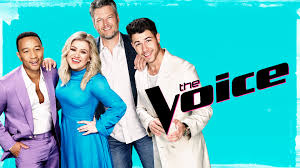
The Voice did a fantastic job of meeting the wants and needs of their audience. By creating so many opportunities for fans to engage with the show through digital and social media, they created a sense of community and loyalty to the brand. According to Forbes people feel invested when they engage with companies and experience greater feelings of loyalty (2017). It’s in every company’s best interest to engage with their audience through digital media. When done correctly it can have fantastic benefits to both the audience and the company.

https://twitter.com/nbcthevoice

Consumers were constantly addressed, with replies, retweets, sharing of their vines, tweets, and reply messages on all the social media. The Voice also followed through with everything they said they would do, like allowing users to tweet to change the show’s outcome live and “save” contestants. They also followed through with the #chairmeup campaign by having people hashtag their posts and then making them a graphic with their name on “The Voice, “ chairs. They continually tried to make the consumers feel a part of the show. They even read tweets live, and talked about things that went on in the online communities on the show. This showed consumers that they really were engaged with them, and not just pretending while on online. This was done super successfully and obviously helped to make the show a huge show via Nielsen ratings.

https://www.nbc.com/the-voice

I really appreciated some of the initiatives the Voice supported as well. Partnering with the first lady on Veterans day was nice and showed that they cared about more than just their show as well. They have also tackled the recent Pandemic and have posts to help cheer people up, like Blake Shelton’s quarantine mullet! They often share posts from their hosts and their personal initiatives as well.  

Users of all digital media were treated as a vital part of the “The Voice Team.” The show repeatedly proved that they cared about users by constantly coming up with new ways for them to be more involved and new media for them to use to engage with the show on. The show even created an emoji, the first of its kind from a reality show, for people to integrate into other areas of their life.

I don’t think there was anything the show could have done differently. This show seems like it would have been fun to be invested in and to participate in while watching. I am sad that I have never felt interested in this show.  Their engagement seems stellar. The only thing I would recommend would be even more engagement with people through their social media. They do often reply to people, but the public would always love more engagement. I would also love to see more initiatives and calls to action for charities. I feel like that is me being really picky, but it’s the only thing I could say they could do more of.  I am super impressed by “The Voice.” Their social media may have even converted me to a viewer. If that isn’t a successful digital media campaign, then I don’t know what is! To me that says it all.

Citations

Meyer, E. F. (2017, September 20). Council Post: How To Leverage Social Media To Build Brand Loyalty. Retrieved March 29, 2020, from

Shorty Awards Application: https://shortyawards.com/8th/the-voice-3

Confessions of a Media Junkie

I need help! Digital media is my drug of choice, I am a media junkie! I am constantly on my phone when I am out, or I am on my computer or watching tv when I am home. I love consuming information, and in this digital age, it has never been easier. I am ashamed to say that I can often be found perusing Reddit, Facebook, Instagram, Pinterest, and Youtube. Don’t get me wrong, I am also on Good Reads and the Libby/Overdrive library app too! Oh, and don’t forget Amazon. I personally buy Jeff Bezos’s lunch at least every other day.

Photo by Pixabay on Pexels.com

On Reddit, a forum like site that has more information on anything than you even want to know about any given subject, I am likely looking up the best order to apply sunscreen, moisturizer, toner, and lastly makeup. The gals over at r/AsianBeauty know all the best products and how to use them. Then I’m probably looking at r/AbandonedPorn. WHOA, it’s ok. It’s just referred to as porn because it’s just great pictures of amazing abandoned places and buildings all over the world. Next, I might be on r/BlunderYears, dying laughing at pictures of people looking pretty silly who thought they looked so cool at the time the pictures were taken. We’ve all been there, right?

Facebook is a social media site. I like to use Facebook to keep up with friends and people I wish I was IRL (in real life) friends with. I use it to see what is going on in the world on a pop culture level, and sometimes on a world new level since I have friends from many different states and countries.

Instagram is a social media site for pictures. Well, technically there is video now too, but it started as and is still mainly used for pictures. Sometimes it’s just fun to peek into other people’s worlds. Instagram is mostly for peaking into celebrity lives, or influencers (often fake) lives. It’s a fun place though. 

Pinterest is a social media site that is less concerned with socializing per se and more about sharing ideas. It’s a digital bulletin board for ideas. I love to go here and PLAN. I plan to do all kinds of things, like having a nice birthday party for my husband with a cute theme, meal prep recipes for the week, DIY solutions for reorganizing my closet, going on a trip, etc. Unfortunately, there’s a lot of planning, and not as much DOING because I am busy planning SO many other things that I will also likely never actually do. C’est la vie!

YouTube is the biggest time-suck of all of them. I can watch YouTube for HOURS. YouTube is a video sharing site, but it has also become a kind of show network for everyday people to create content. I love watching B.A. Test Kitchen, How to Cook That, Emmy Made in Japan, Maangchi, Miss Darcie, DKDKTV, and countless other YouTubers. I use YouTube to learn as well as to be entertained.

Good Reads is an app/website for avid readers. You can log all of the books you have read, get recommendations, see what your friends are reading, and socialize with other readers. I love books and talking about books!

Libby/Overdrive is an app and website that allows you to download books from your local library system. You can even download books from other systems as well, all for FREE. They have audio and text books!

Amazon, or as I like to call it, the money pit (funny movie!) Amazon is an online shopping website and app. You can essentially get almost anything on Amazon and have it delivered within one to two days. It’s a very dangerous place for my budget, but I also love it dearly.

See, I told you I have a problem, and these were just the ones I felt like writing about! I honestly love all kinds of digital media. I listen to music, buy things, watch shows/movies, read, socialize and learn all through digital media. Because I like to do SO many different things, there isn’t one form of digital media that satisfies all of my needs or wants.

Photo by Kaboompics .com on Pexels.com

Emails feel antiquated. I know that sounds weird, but just follow me here. How many emails do you have in your inbox right now? Alright, if you are ” type A,” you have none, if you are whatever I am, you currently have 10 million unread emails in your inbox every day despite TRYING hard to keep on top of it. I get so many emails, and none of them are important. They are mostly sales from places that I visited the website of once, or perhaps I bought something from them 5 years ago. I hate it and I don’t think it’s efficient. Of course, an in-depth study of company KPIs can tell you for sure, but I am not a fan. I ignore my emails and even get annoyed with how many I get from certain companies. Some send emails EVERY day. That is too much. I want to hear from a company like once every new season, not every day.

Photo by Andrea Piacquadio on Pexels.com

Digital media is imperative to our world and marketing. Marketing has completely changed in the past few years since digital media has become popularized. Influencers are an amazing opportunity for marketers to reach their exact segments and to grab the attention of those who might not know about their products in a ready-built captive audience. It’s almost too easy and can cost very little, especially compared to traditional television ads and radio spots. Digital media rules the world. In fact, according to the World Bank data website, 49.723% of the entire world’s population is using the internet (World Bank., 2017). That is a huge amount of people. I have noticed that it seems like more people are on the internet daily. Many, like myself, feel like they can’t live without it! It is the wave of the future, and I don’t see that dying down any time soon. I think marketing will only get more intuitive and more complex through digital media.

Citations

World Bank. (2017). Individuals using the Internet (% of population). Retrieved March 8, 2020, from https://data.worldbank.org/indicator/IT.NET.USER.ZS

Snake Oil and Flim Flam -What is Ethical Marketing?

The early 1900s was a dangerous place for consumers. Anyone could sell anything, with no one checking on the claims of the product or the ingredients! You might purchase cough syrup from a street peddler that was nothing more than brown water and lemon, or it could contain something dangerously addictive, like cocaine! Thankfully that era is over, and most goods and services are now highly regulated. There are also many federal and local laws in place to protect consumers. Just because there are rules doesn’t mean that some unscrupulous people don’t like to break them. Like many industries, marketing now has its own set of standards and ethics. Ethical marketers should live by the American Marketing Association’s Code of Conduct. The thing you MUST remember as a new marketer is DO NO HARM!

 That may include:

  • Honesty- Being honest about your products and practices
  • Responsibility-Acknowledging social obligations, as well as recognizing our commitments to our stakeholders
  • Fairness-Refusing to participate in price gouging or “bait and switch” tactics and treating our employees fairly
  • Respect-Acknowledging the basic human rights of all stakeholders
  • Transparency-Encourage a spirit of openness to all stakeholders, this includes the public
  • Citizenship-To give back to our community, treat supply chain participants fairly, and generally treat people as we would like to be treated

These are some of the basics that are important to every good marketer. More in-depth reading can be found at the American Marketing Association’s website, Here (Codes of Conduct: AMA Statement of Ethics., 2019)!

Connor Surdi http://www.starbucks.com

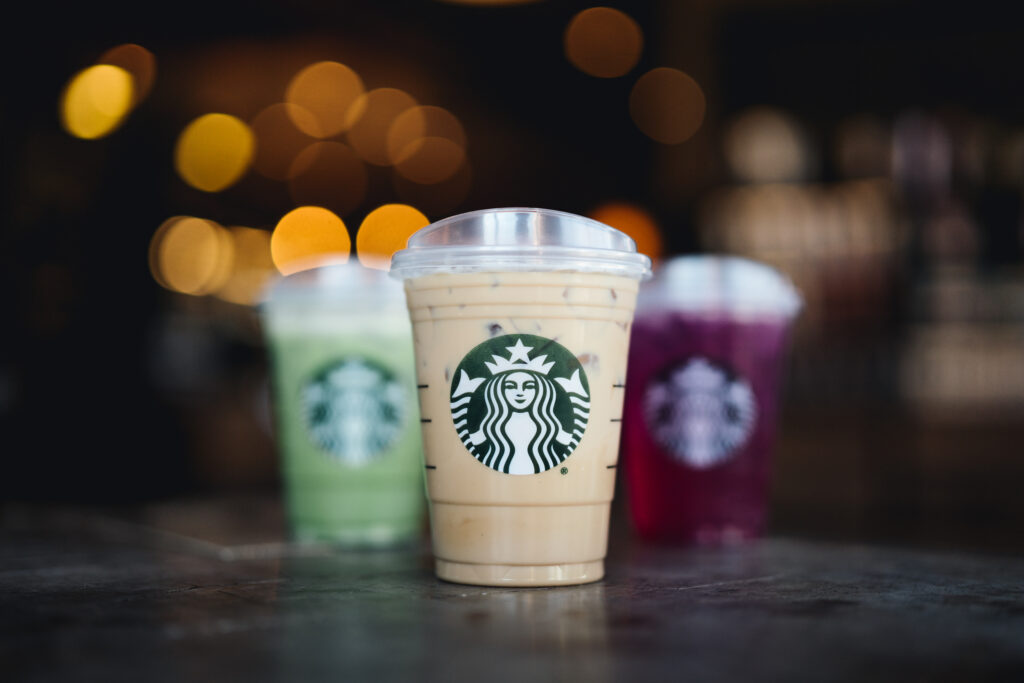
One great example of ethical marketing in action is the Starbucks company. Starbucks decided to phase out all plastic straw use in their store by 2020. This effort was done to help mitigate the excessive use of plastic straws in restaurants. They have also “… committed $10 million to help develop recyclable, compostable cups for hot drinks (Wiener-Bronner, D. (2018, July 9). The responsibility to keep our environment working properly is something we should all take seriously and that we can all benefit from. This shows how seriously Starbucks takes the issue of ethical sustainability.

An example of a company not doing the right thing ethically is the Equifax security breach. Equifax faced a large ethical scandal when hackers stole data from more than 148 million consumers” (Western Governors University, 2019, September 23). This was would have bad enough, except that instead of being transparent and telling their customers Equifax hid the breach for over two months. Fortunately, after court rulings Equifax was fined and ordered to compensate consumers for damages, they may have incurred from having their data leaked (Western Governors University, 2019, September 23). So much time, money and reputation could have been saved by doing the right thing and informing their customers of the breach. Instead, Equifax paid the price figuratively and now literally. They are still working to rebuild their soiled reputation.

http://www.corporatecoplianceinsights.com

These standards are extremely important in holding up the reputation of marketers worldwide). Millennials currently make up one of the biggest consumer segments worldwide. “70% of millennials say they carefully consider corporate values when making a purchase,” Western Governors University., 2019, September 23). As marketers we must have pride and integrity, if we can’t be trusted then how will consumers feel safe purchasing anything from us? If ethics isn’t your forte’ then at the very least, you should be concerned with upholding the law. Local and federal law enforcement vary by state, but you don’t want to end up fined, disgraced, under indictment or in worse, in jail.

Honestly, it’s simple. Do the right thing, and treat people as you would like to be treated!

Citations

Codes of Conduct: AMA Statement of Ethics. (2019). Retrieved March 1, 2020, from https://www.ama.org/codes-of-conduct/

Western Governors University. (2019, September 23). Ethical Dilemmas: How Scandals Damage Companies. Retrieved March 1, 2020, from http://www.wgu.edu/blog/ethical-dilemmas-how-scandals-damage-companies1909.html.

Wiener-Bronner, D. (2018, July 9). Starbucks is eliminating plastic straws from all stores. Retrieved from https://money.cnn.com/2018/07/09/news/companies/starbucks-plastic-straws/index.html

Plan SMART to reach your goals!

Dirty and Thirty. (2016, January 20)

Setting goals is a helpful and measurable asset on your way to being successful in anything you want to do in life. This can be especially helpful in business and marketing as well as in your personal life. Having goals can help you focus your ideas and your energy to help you reach the objectives you desire most. Do you know how to plan to get the most out of your goals? The first step is knowing what a goal is, and the difference between goals, strategies, and tactics.

Lyskov, A. (2019, December 30).

Goals- Something you desire or want to achieve.

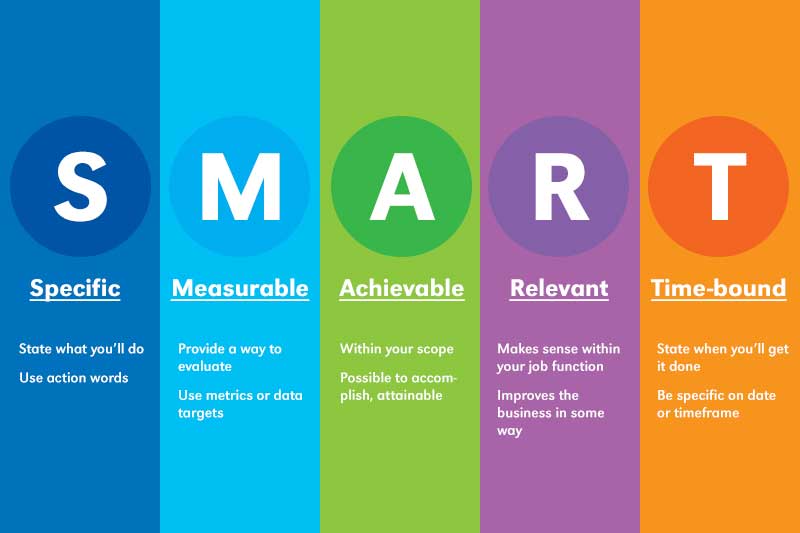
Are your goals SMART? SMART is an acronym that will help you set proper goals.

What is it that you want to accomplish? Is there something you want to afford to purchase, like a new property, or new piece of equipment? Is there something you want to accomplish, like raising your online sales, or getting more Instagram engagement? These are goals! Goals are something you work towards to get the change or outcome you desire.

How do you know that the goals you set are realistic and attainable? Use the acronym SMART to narrow the focus of your goal, and to make sure the desired outcome is within reach. Using SMART goals can set you up for success and make sure you avoid an embarrassing misstep that may tarnish your company’s reputation.

Example: Increase loyalty and repeat customers by 50% in a 6 month period.


Georgia Hispanic Chamber of Commerce (2019, November 18)

  • S- Specific: Exactly what do you want to accomplish?
  • M-Measurable: How will you know when you have accomplished this goal?
  • A-Achievable: Is this something within your capabilities?
  • R-Relevant: Is your goal appropriate?
  • T-Time-bound: What is the specific time frame you hope to complete this goal by?

Strategy

Your strategy is your overall plan designed to help you meet your goals. This is different from the tactics you will use regularly to achieve your goals. Strategy is looking at the big picture of what you want to accomplish and making an actionable plan.

Example: Connect with customers more often through social media, email lists, and your companies’ website causing loyalty, and repeat purchases.

Tactics

Tactics are the tasks you complete daily or nearly daily to complete your strategy.  

Example:

  • Email clients twice weekly with sales and new item announcements.
  • Post on social media about new products, sales, content about products (Twitter, facebook, youtube etc).
  • Reply to all comments tweeted, on Instagram, or on YouTube. Reply to all emails from consumers.
  • Offer special sales for customers who have already purchased items through mailed postcards or specialized ads on social media, or when they login to your website.

How do you track your goals?

One important step to track your progress is to use KPIs, or Key Performance indicators.

KPI’s are measurable statistics. You can have KPIs for many different aspects of your company.

Here are some examples:

  • Average daily/weekly/monthly impressions on social media or websites, such as Facebook, Instagram, Youtube, company website etc.
  • Recidivism to company website or social media
  • Purchase history of consumers
  • Hashtags, mentions, retweets
  • Downloads of content
  • Comments on social media, website, or mail
  • Click throughs from other sites

KPIs can give you a myriad of information points to help you decide where to spend your marketing dollars and time (Enochson, H., & Heyden., 2020).

Breaking down your goals with these steps can help you be successful in whatever goals you want to accomplish!

Preview(opens in a new tab)

Citations

(2019, July 15). The Difference Between Marketing Strategy vs Tactics – An Example. Retrieved January 24, 2020, from http://charliesaidthat.com/digital/digital/difference-between-marketing-strategy-vs-tactics-an-example/

Dirty and Thirty. (2016, January 20). Home. Retrieved January 24, 2020, from http://www.dirtyandthirty.com/lifestyle/art-reaching-goals/

Enochson, H., & Heyden. (2020). 27 Examples of Key Performance Indicators. Retrieved January 24, 2020, from https://onstrategyhq.com/resources/27-examples-of-key-performance-indicators/

Georgia Hispanic Chamber of Commerce (2019, November 18) (Retrieved January 24, 2020, from https://ghcc.org/5-steps-to-set-smart-objectives-examples/

Lyskov, A. (2019, December 30). Goal Setting for Data Scientists. Retrieved January 24, 2020, from https://towardsdatascience.com/goal-setting-for-data-scientists-b2ca1a3d96a1

Design a site like this with WordPress.com
Get started